Happy Bijaya Dashami 2013 - विजया दशमीकेा शुभकामना (Part 1)
Celebrating Nepali Dashain festival 2013
Happy Bijaya Dashami to all!
विजया
दशमीकेा शुभकामना! (B.S. 2070)
Bijaya Dashami photo guide 2013 - (Part 1 of 3) Bijaya Dashami photo guide 2013 - (Part 2 of 3) Bijaya Dashami photo guide 2013 - (Part 3 of 3)
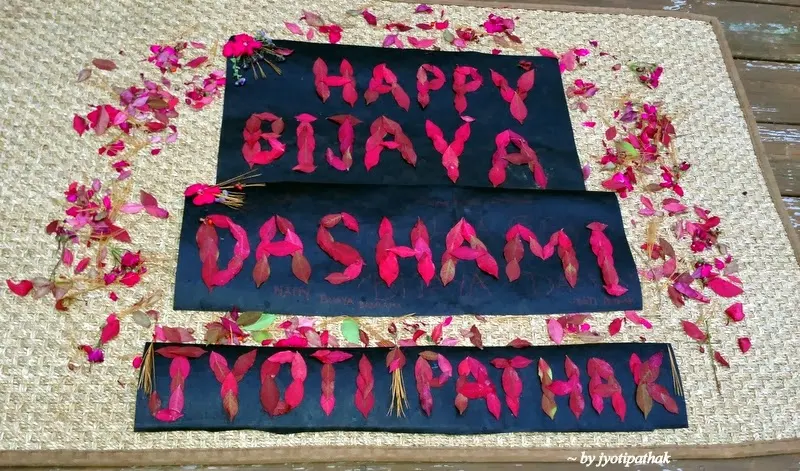
I would like to wish the "Taste of
Nepal Blog" readers a very Happy Bijaya Dashami 2013 (Ashoj 2070 – Bikram Sambat - Nepali calender). May the warmth and
joy of Dashain fill your heart and home with happiness.
Thank you for stopping by and experiencing the cultural, social, and
religious exchange during the most auspicious time in Nepal.
विजया
दशमी (२०७०) तथा
शुभ दिपावलीको शुखदउपलक्षमा
हार्दिक मंगलमय शुभकामना
अर्पण गर्दछु!
Dashain (दशैं) or Badadashain (बडादशैं) or Vijaya or Bijaya Dashami (बिजया दशमी) is the 15 day long national (religious) festival of Nepal. It is the longest and the most auspicious festival in the Nepalese annual calendar, celebrated by Nepalese people throughout the globe. It is not only the longest festival of the country, but it is also the one which is most anticipated. The festival falls around October-November, starting from the bright lunar fortnight and ending on the day of full moon.
Dashain is celebrated for 15 days; the most important days are the 1st, 7th, 8th, 9th, and the 10th. The fifteen days of celebration occur during the bright lunar fortnight ending on the day of the full moon. Dashain is also popularly referred to as Badadashain, Dashera, Vijaya (Bijaya) Dashami etc.
Throughout the country, the goddess mother is worshiped in all her manifestations. This festival is also known for its emphasis on family gatherings as well as on renewing community ties. People return from all parts of the world, as well as different parts of the country, to celebrate together. All government offices, educational institutions and other offices remain closed during the festival period.
... continue reading here for the full article.
The most important days of Bijaya Dashami
First Day of Dashain - Ghatasthaapanaa - घटस्थापना - October 5, 2013
Day 7 - Fulpaati - (फूल्पाती) - October 7, 2013
Day 8 - Maha Asthami - (महा अश्टमी) - October 12, 2013
Day 9 - Maha Navami - (महा नवमी) - October 13, 2013
Day 10 - Bijaya Dashami - (बिजया दशमी) - October 14, 2013
Here are some informative links about the festival that I hope you will enjoy reading -
1. Ghatasthaapanaa, the first day of the Dashain festival, was celebrated across the country on Saturday, October 5, 2013.....please click here to read the article.
2. Dashain ....please click here.
3. For many Nepalese, goat meat is on demand for the festival .... please click here.
4. Mangal Dhun by Sur-Sudha, please click here.
Now that Dashain festival is here, it is time to celebrate the cultural life of the country. I will be uploading several images of the festive mood of Nepalese people from their land of Gods and dividing the pictorial blog into several different sections. Please check out all the parts for a complete Nepali experience.
I hope you will have much fun as I have putting together images of the cheerful and much-anticipated religious festival of Nepal. Please drop me a few lines in the comments section of the blog. Your comments and feedback are important and I would love to hear from you.
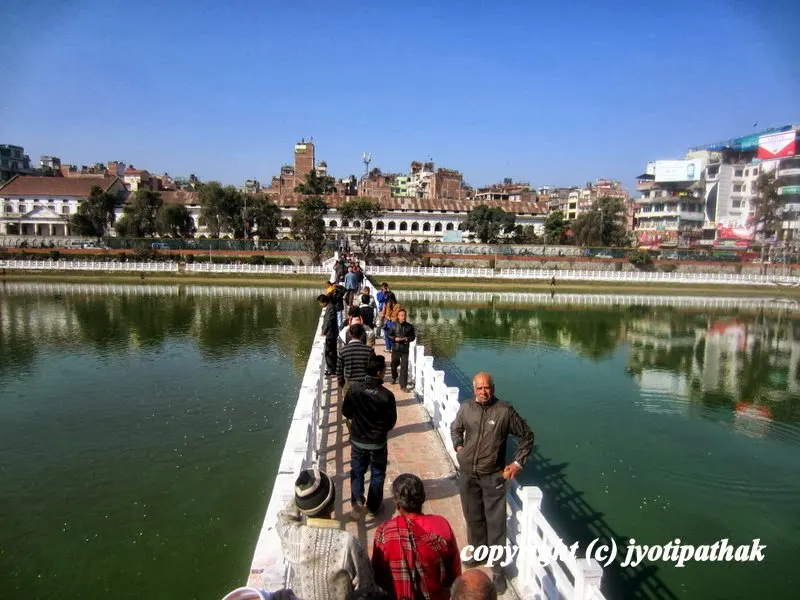
Here are the highlights of the best loved Nepali festival - come along with me to explore more on culture, lifestyle and religion - let my captured images show the pictorial story of the Kathmandu valley during this auspicious time. Please note that all the photographs are taken by me, unless otherwise noted.
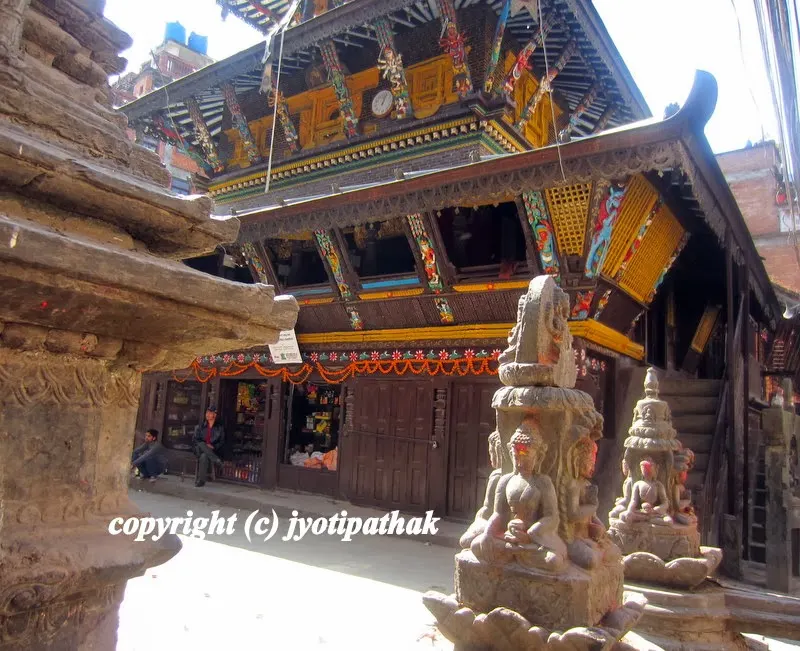
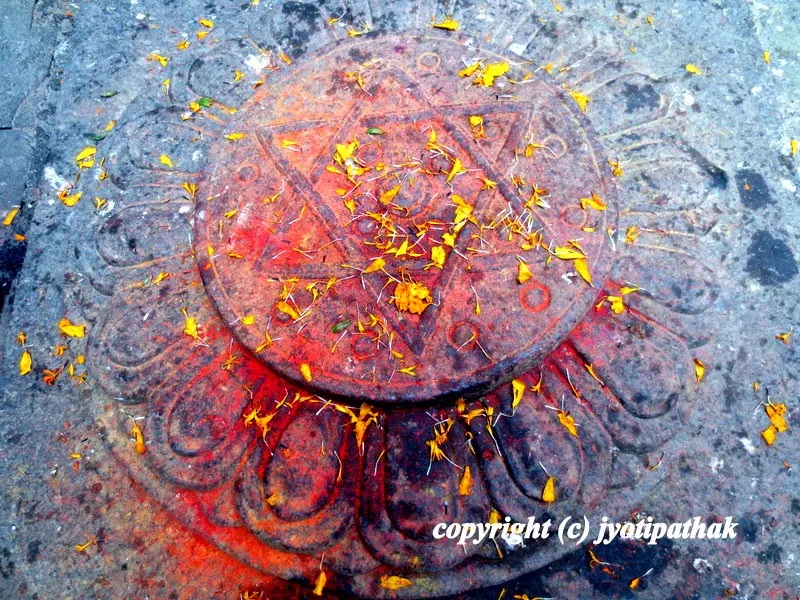
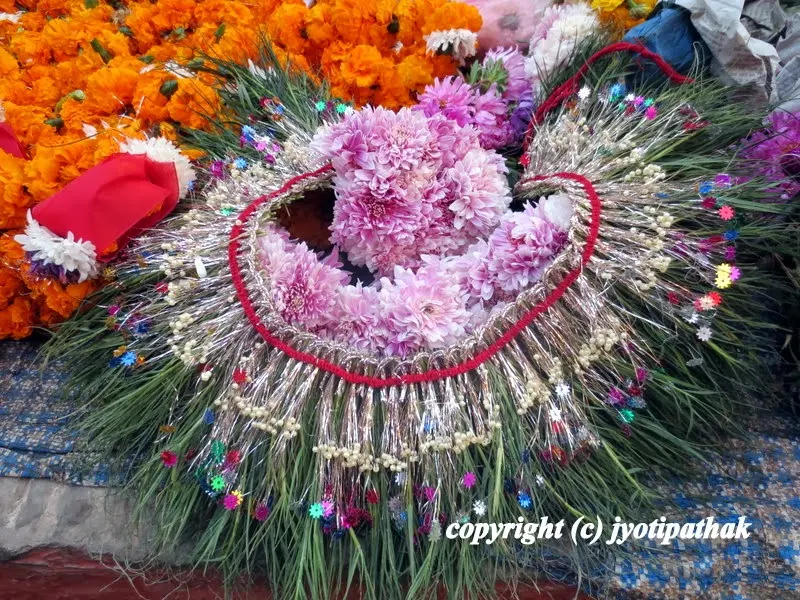
Dubo ko Maalaa for sale (garland made out of lush green, holy grass) - it has an important role in Nepali culture as the garland is used in many important ceremonies, such as weddings, birthdays, Tihar-Bhai-Tika (brother-sister day), Pasne ceremony (child's rice feeding), and also offered to deities as a mark of devotion.
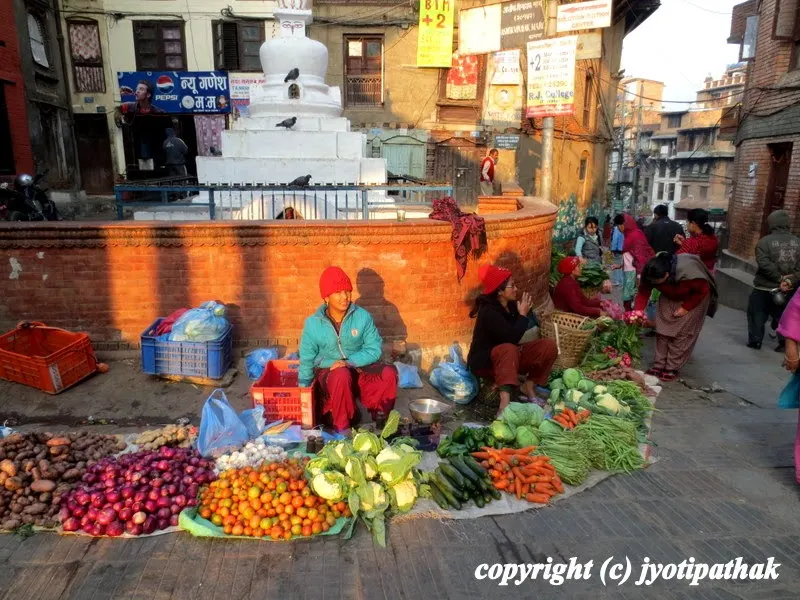
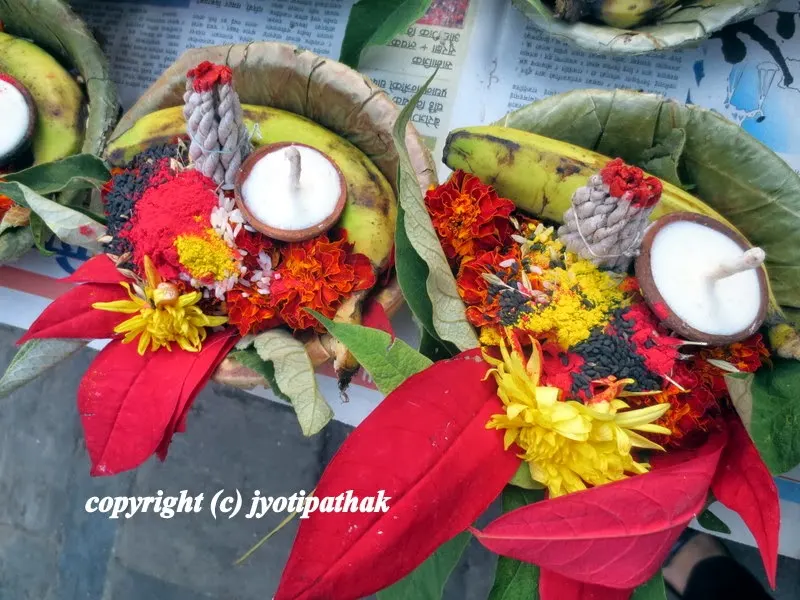
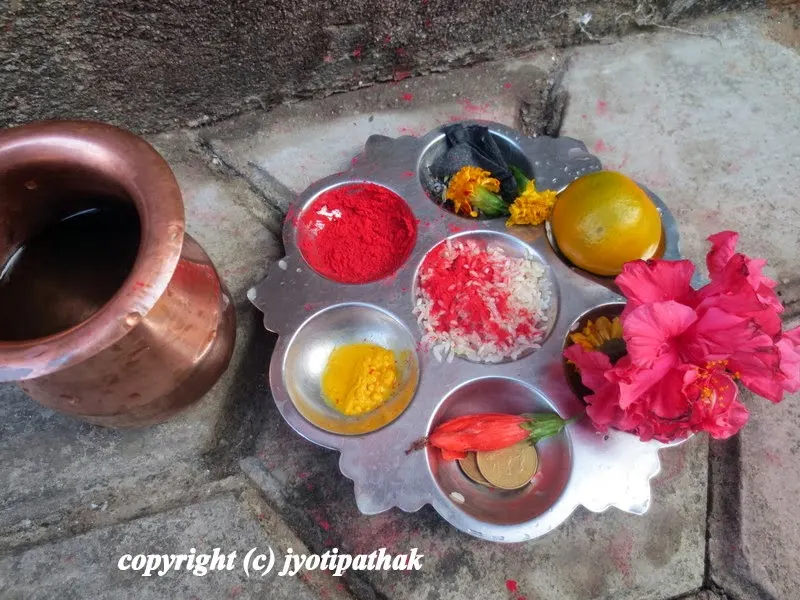
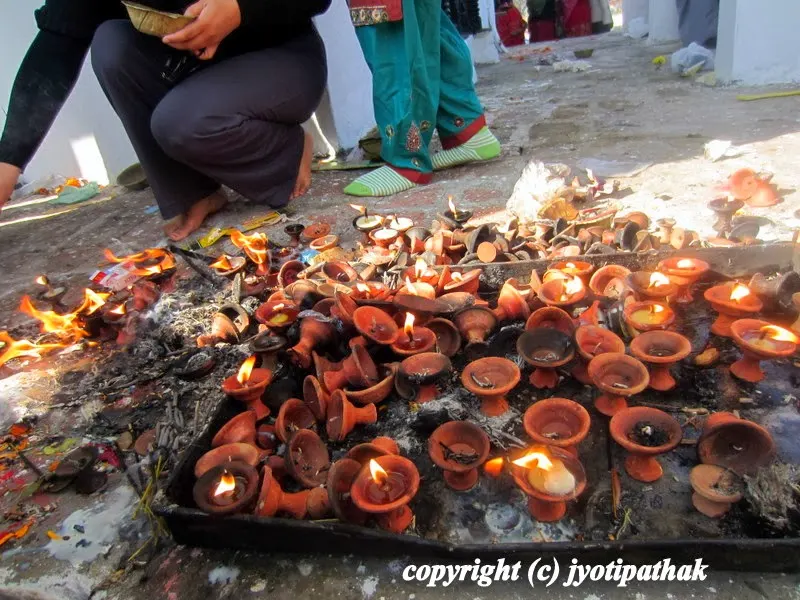
Basic Pooja ko Saamaagri (items used during prayer) is for sale in front of the temple - contains multicolored fresh flowers, fruits, vermillion powder, dhoop batti (incense stick), and butter lamp. They are neatly packed in Nepali leaf plates made from Saal ko Paat.
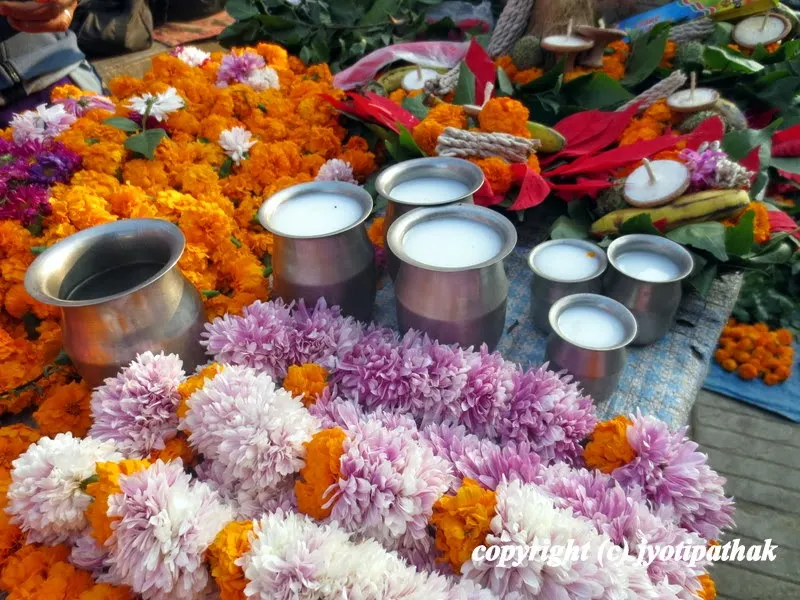
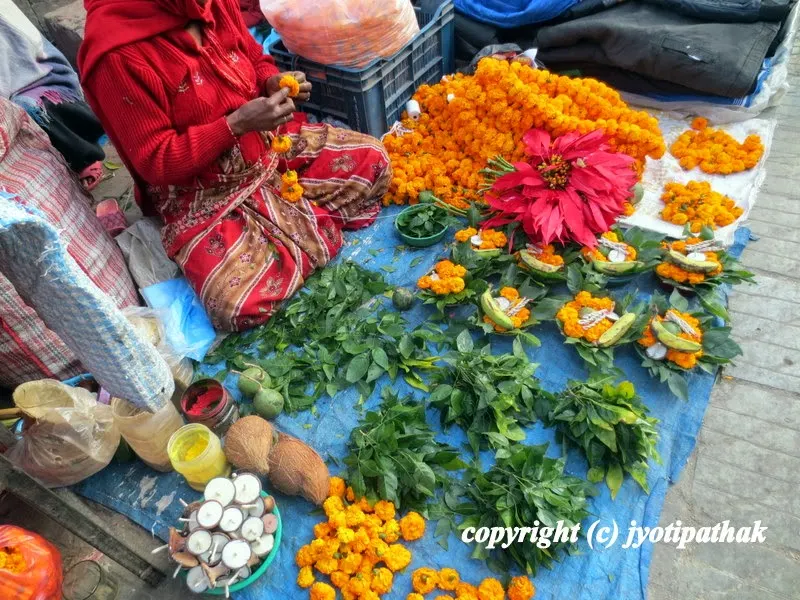
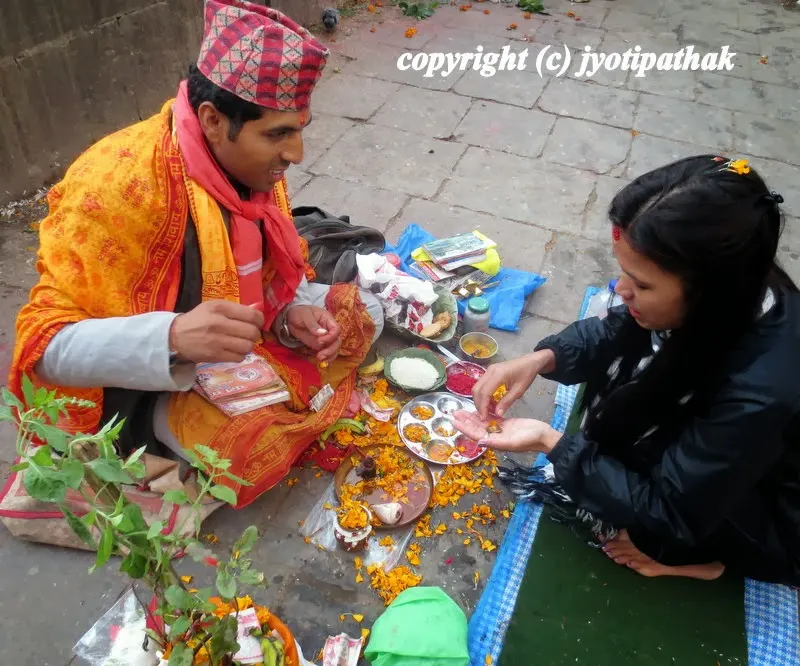
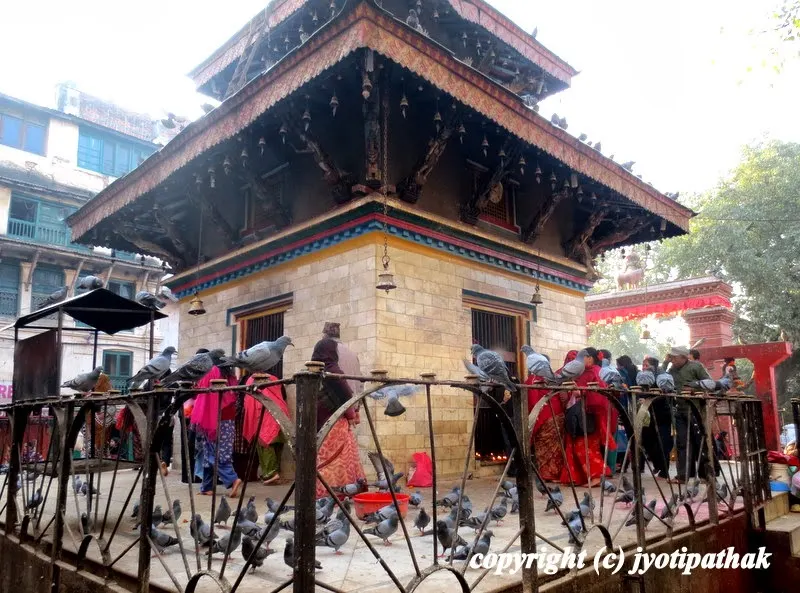
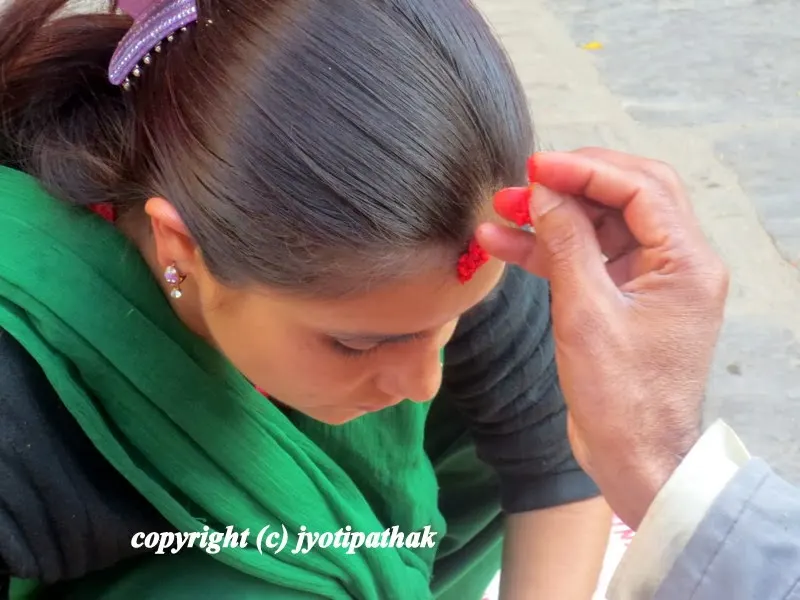
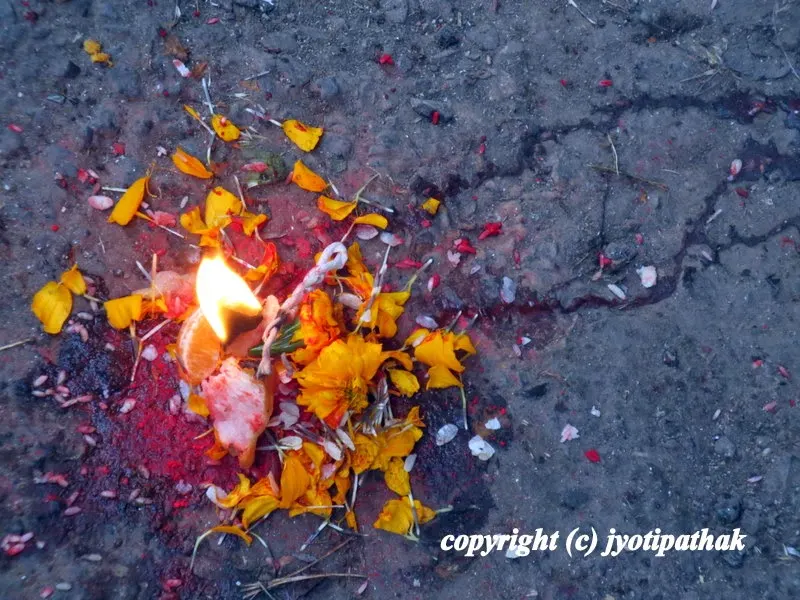
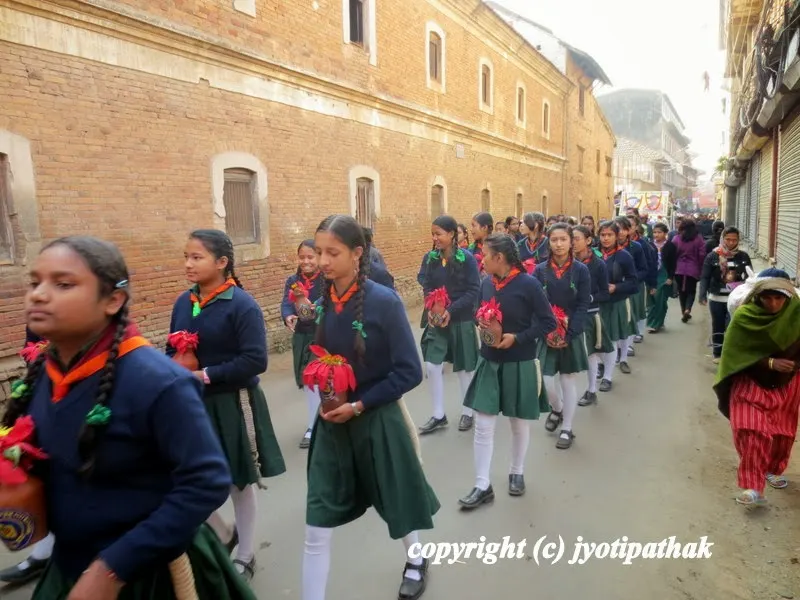
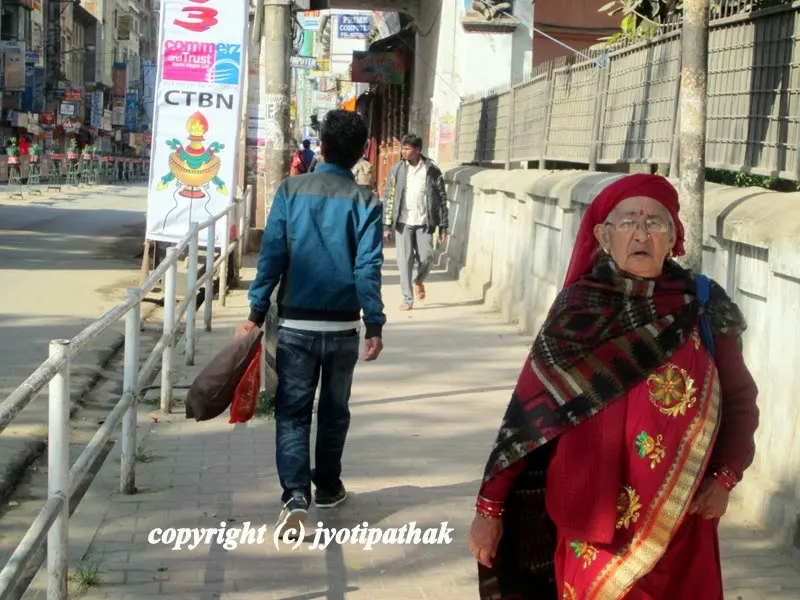
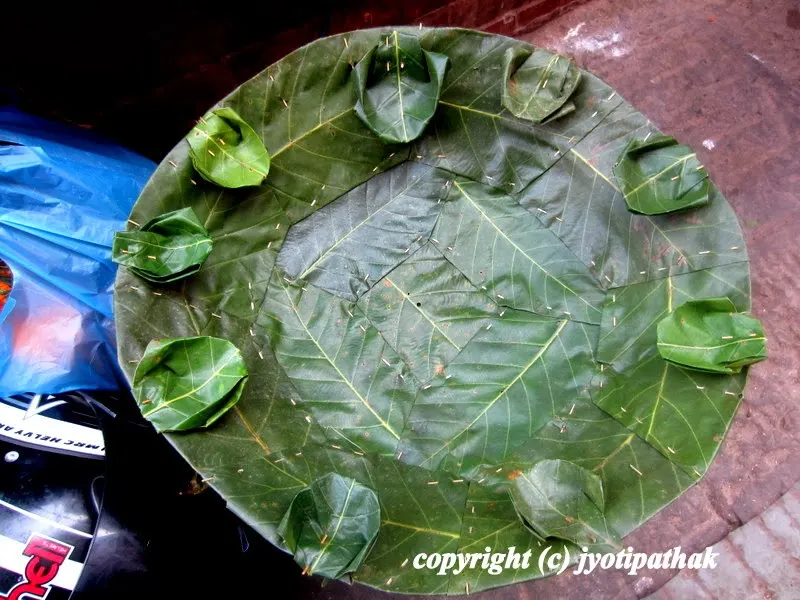
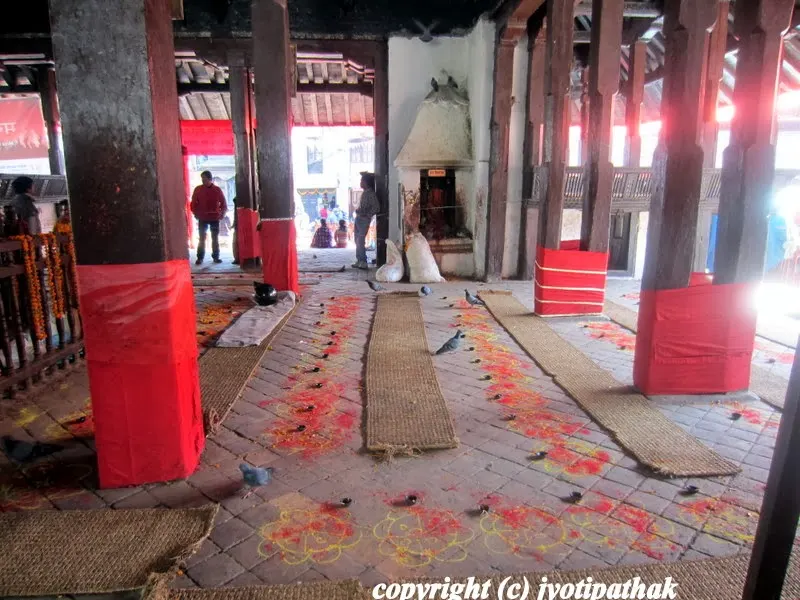
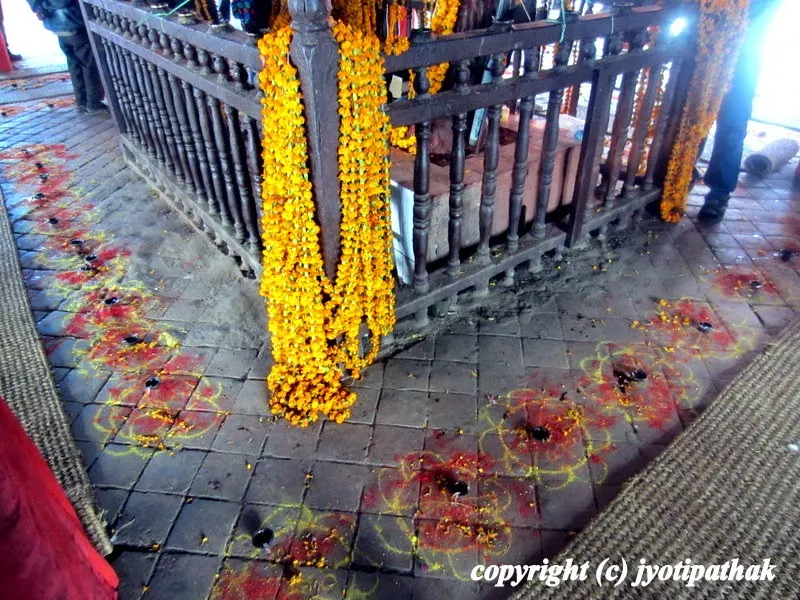
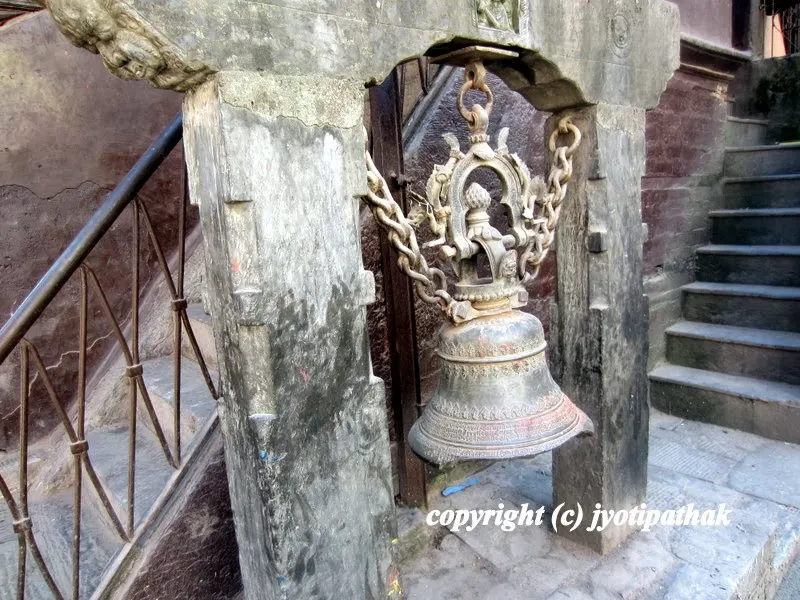
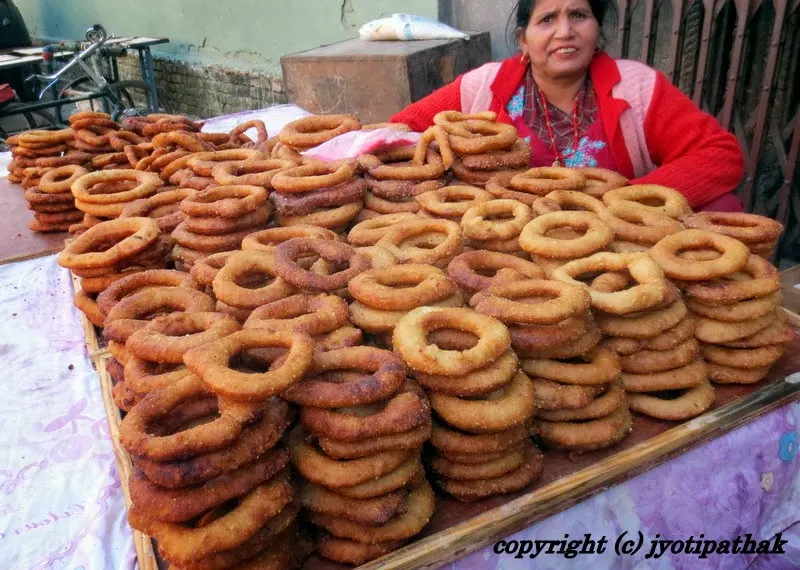
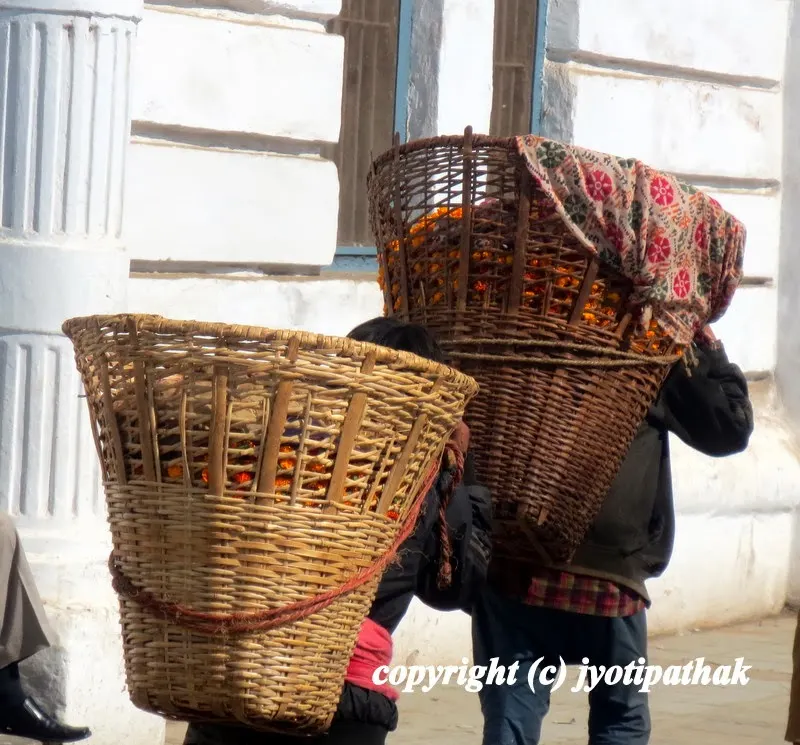
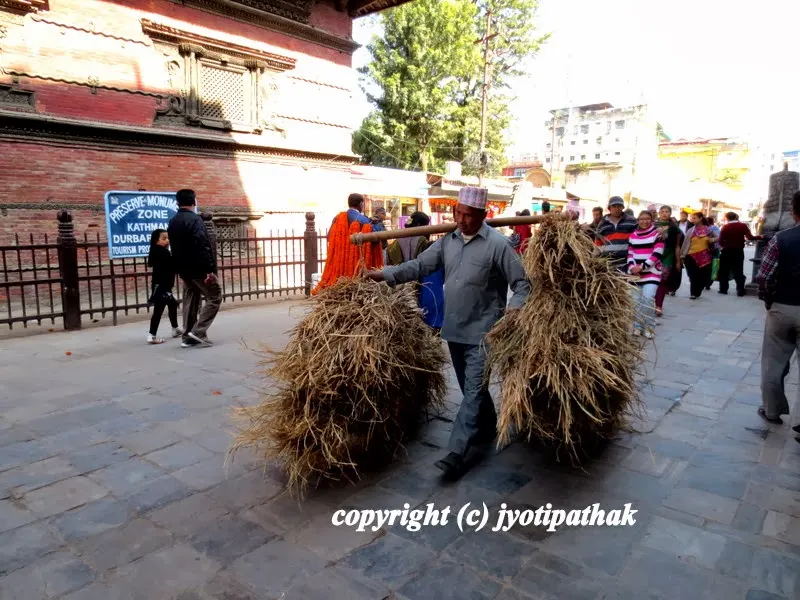
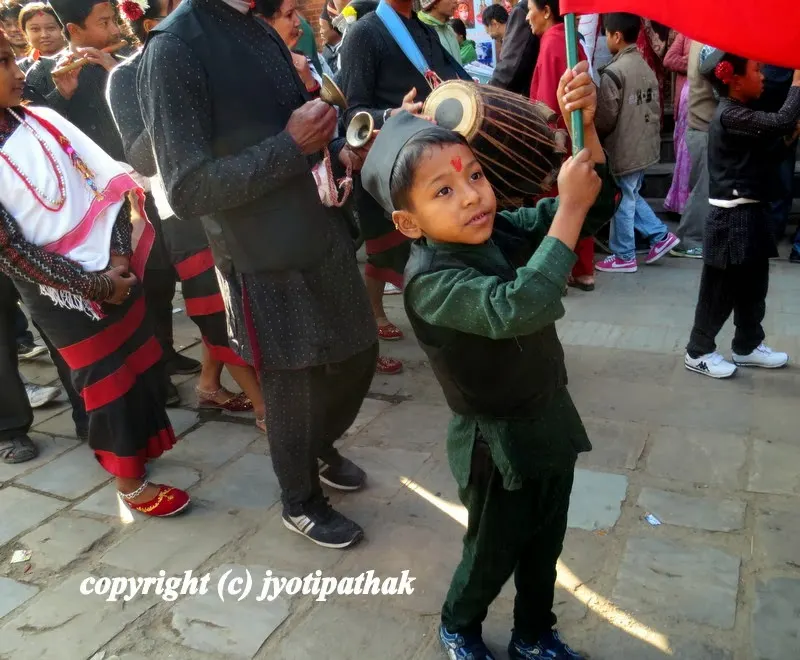
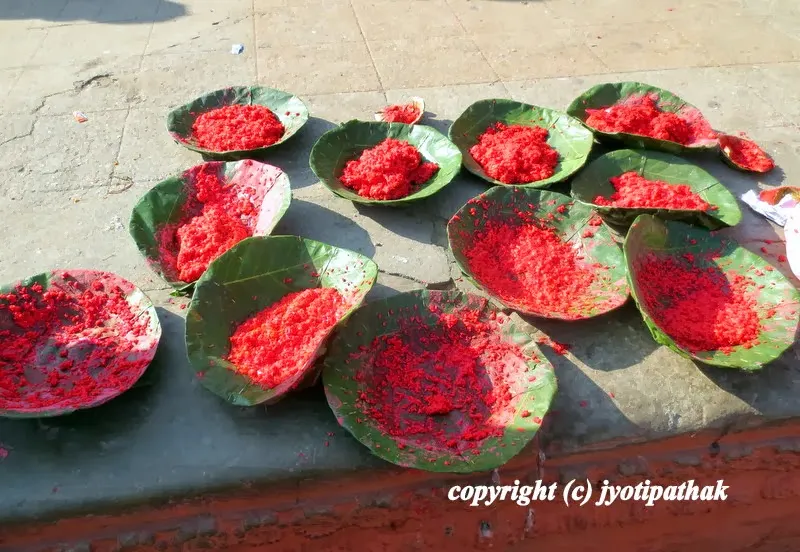
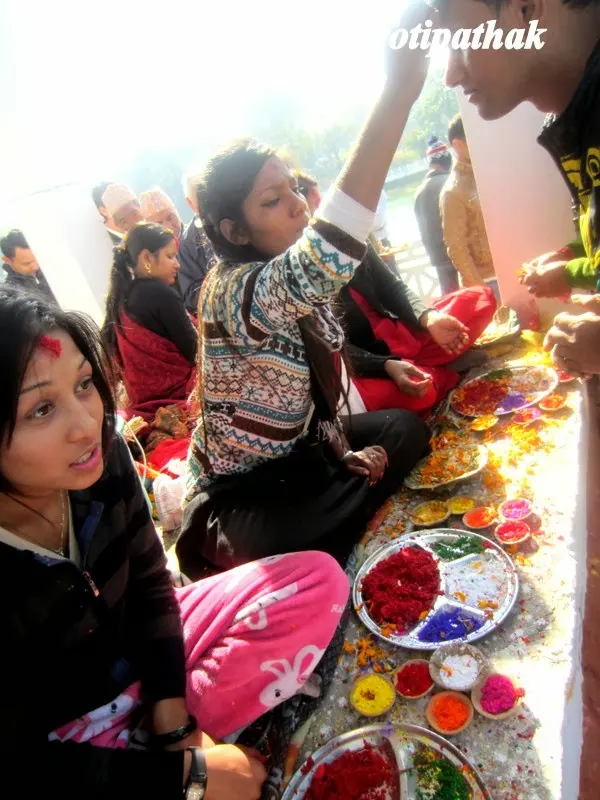
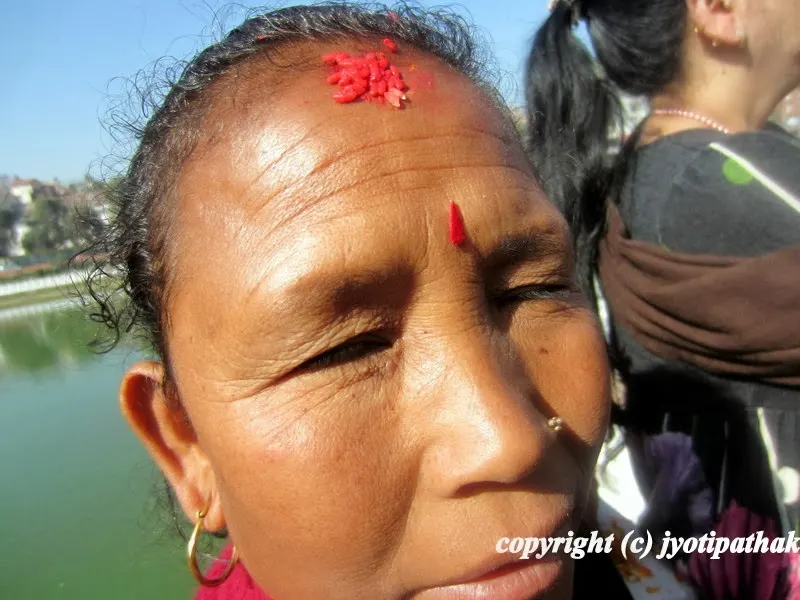
At the entrance of Makhan Pashupatinath Temple (saano Pashupatinath) area, an auspicious Acheeta ko Tikaa is placed in several leaf plates (made from saal leaves) for the tenth day of tikaa ceremony. Passersby are using the tikaa to put on their foreheads as a prashaad (blessing from the god).
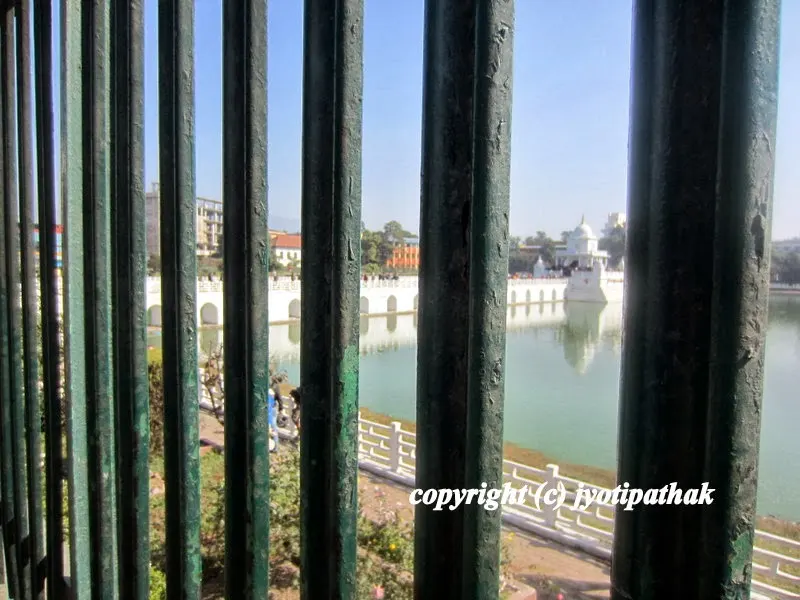
Please turn to the next chapter (2) to explore the pictorial blog of Happy Bijaya Dashami of Nepal.
Bijaya Dashami photo guide 2013 - (Part 1 of 3) Bijaya Dashami photo guide 2013 - (Part 2 of 3) Bijaya Dashami photo guide 2013 - (Part 3 of 3)
Copyright Information
All information on the Taste of Nepal blog are restricted use under copyright law. You may not re-use words, stories, photographs, or other posted material without the explicit written consent and proper credit to Jyoti Pathak. If you would like to use any materials here, please contact me.