Malekhu ko Maachaa - (मलेखुको माछा)
Malekhu ko Maachaa - (मलेखुको माछा) - Sampling delicious fried fish of Malekhu
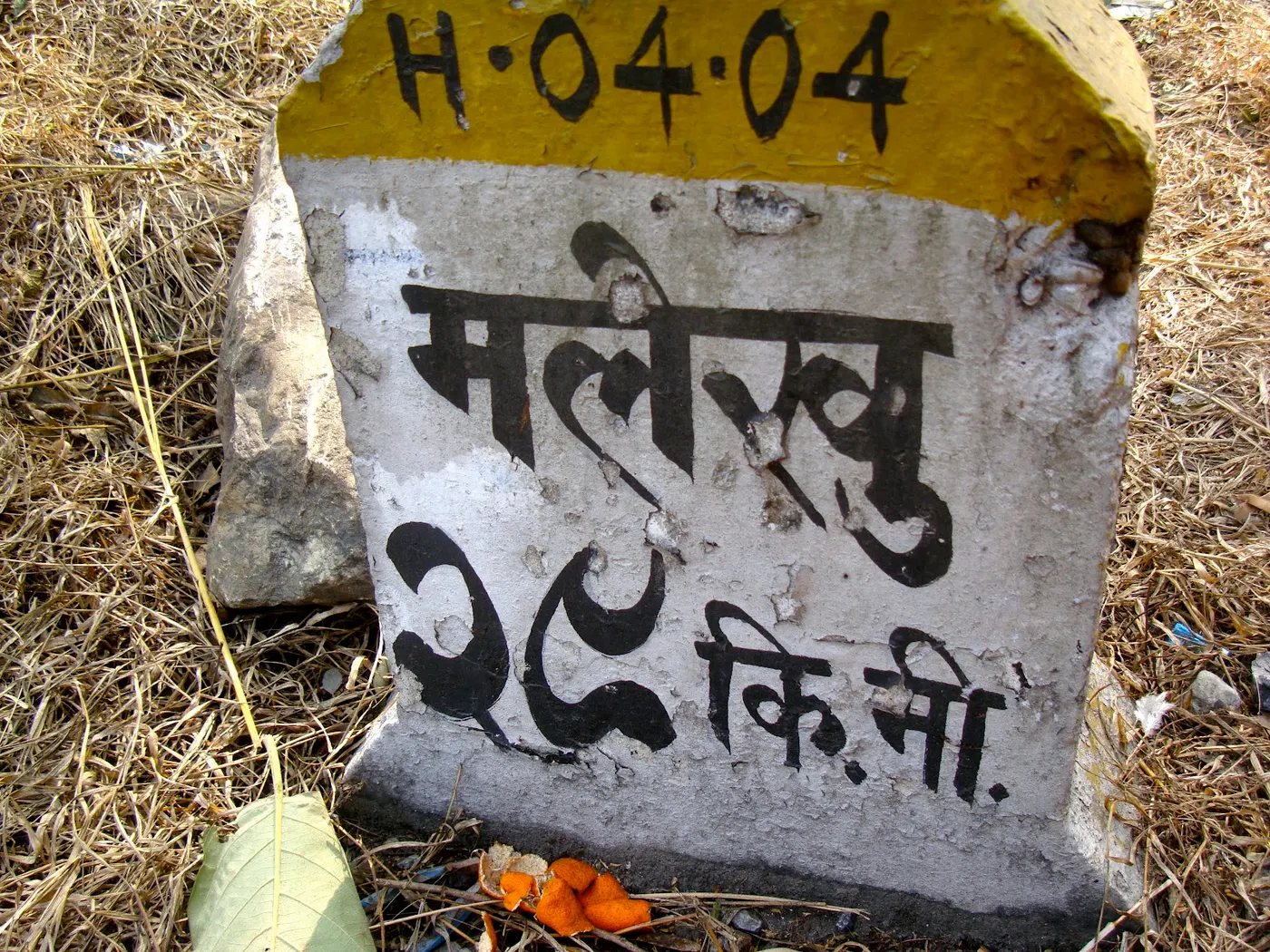
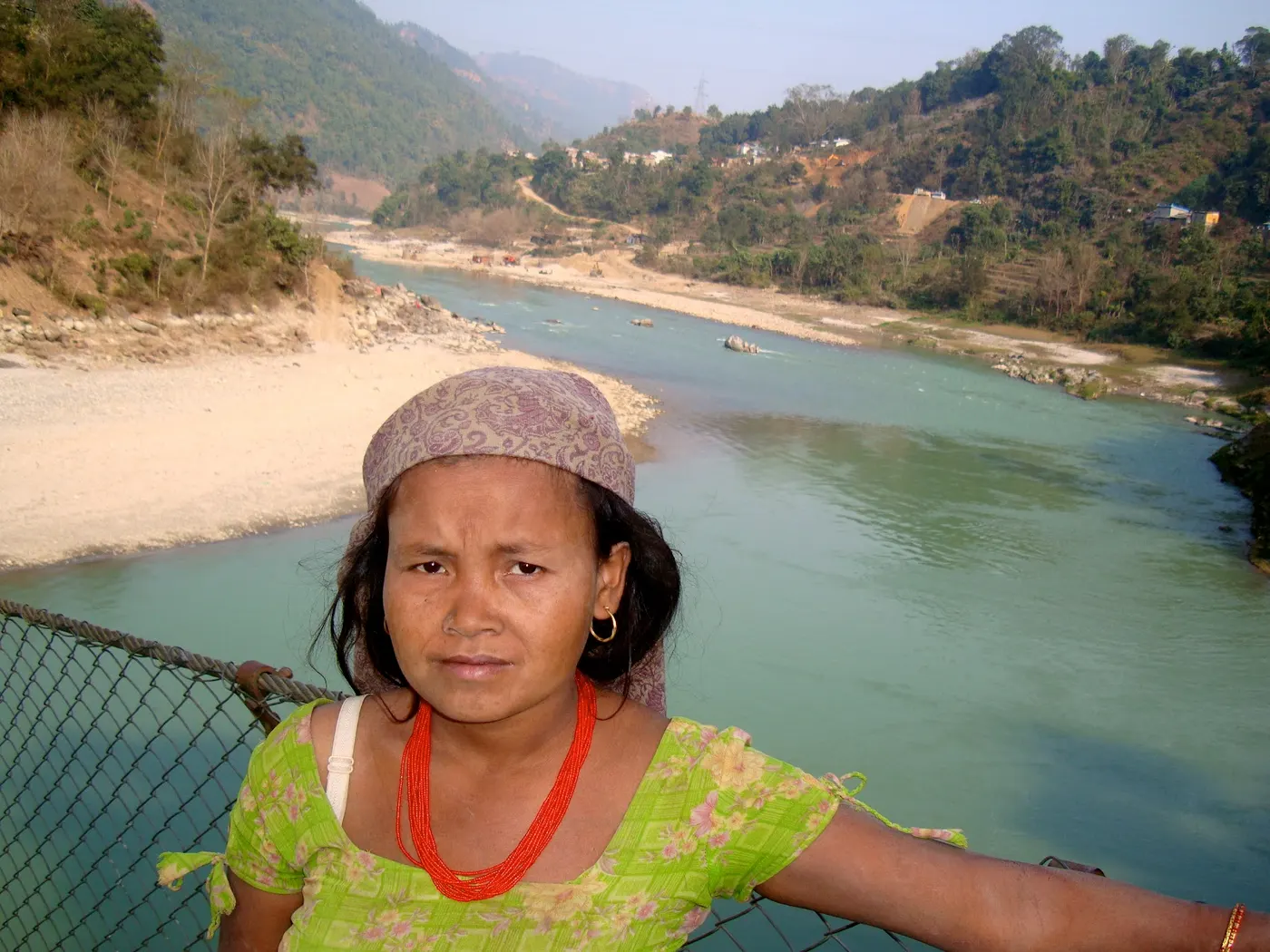
Malekhu is a scenic sleepy little village located about halfway between Kathmandu to Pokhara. It is a pleasant, 3-hour drive from Kathmandu on the Prithivi Highway, which overlooks the Trishuli river. On the journey, you pass through many rural villages, and can obtain a snapshot of the authentic gaau-ghar lifestyle while surrounded by breathtaking vistas of the river and the mountains.
Malekhu is famous for its just-caught fresh fish served deep-fried, smoked, and curried with Nepali spices by a number of road-side restaurants, all served with zero pretense. Local buses usually stop at Malekhu for lunch breaks for the travelers, and they enjoy shopping for a variety of fried fish, smoked river fish in wooden skewers, and locally grown fruits, vegetables and beans, lentils and peas. If you have never heard or tried Malekhu ko Maachaa, you are missing out a special treat of Nepal.
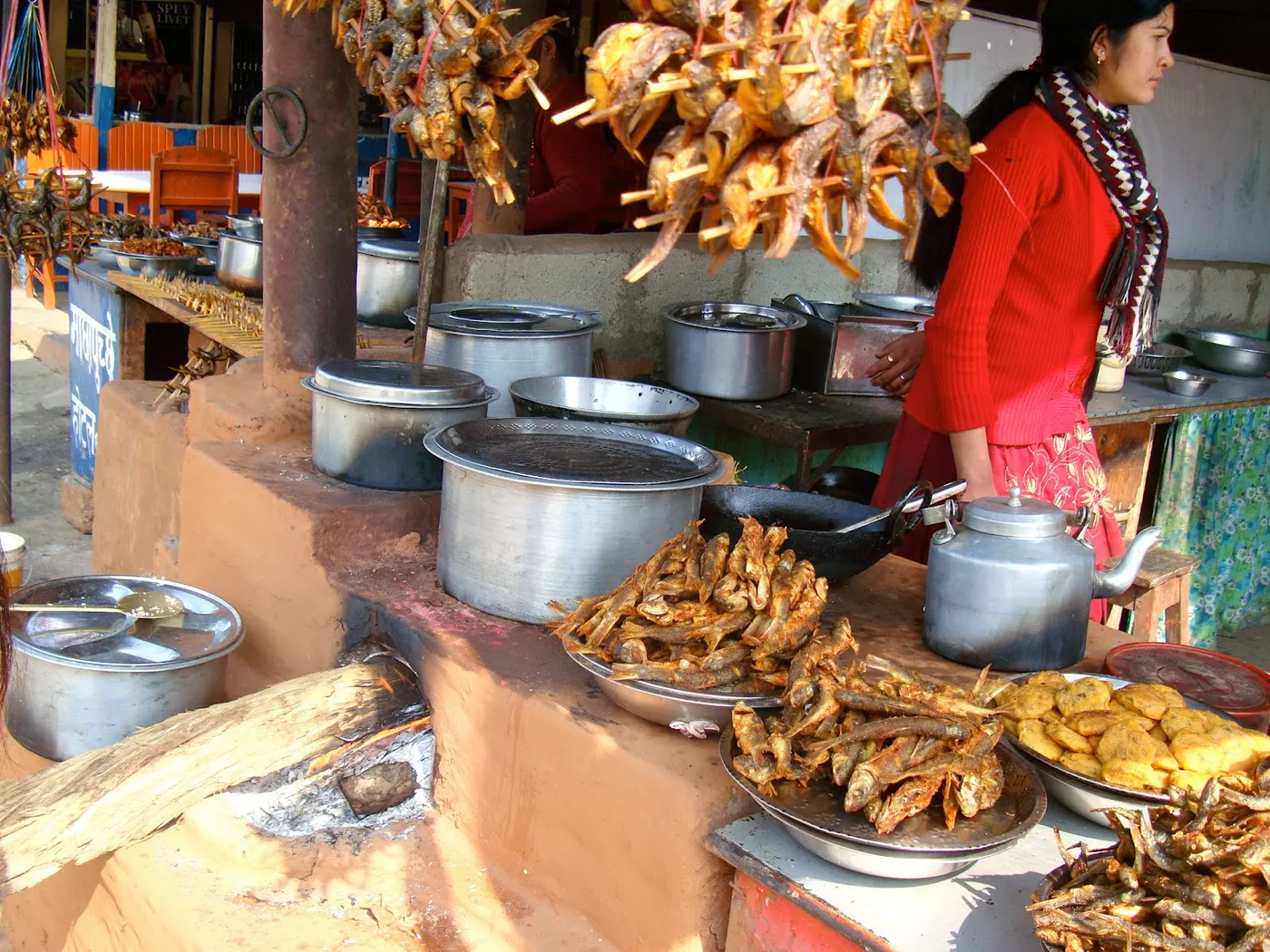
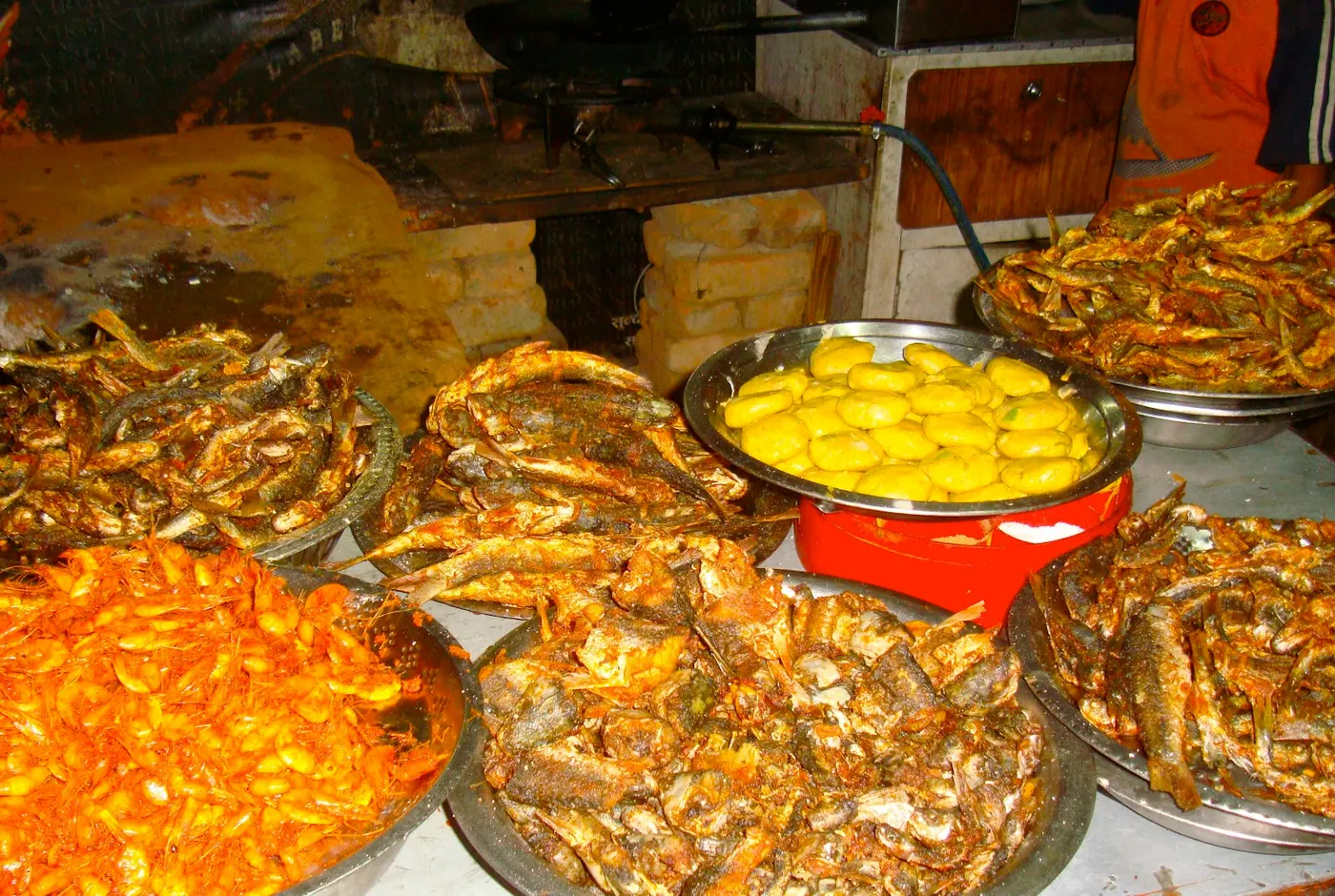
Stopover at Malekhu Bazaar on our way to Manakaamana temple from Kathmandu - we saw a number of roadside restaurants in Malekhu where an abundant supply of freshly-caught fish is served. Options include deep-fried or smoked fish, small whole fish in a wooden skewer, fried crawfish, sun-dried fish on a wooden sticks, curried fish, and other accompaniments.
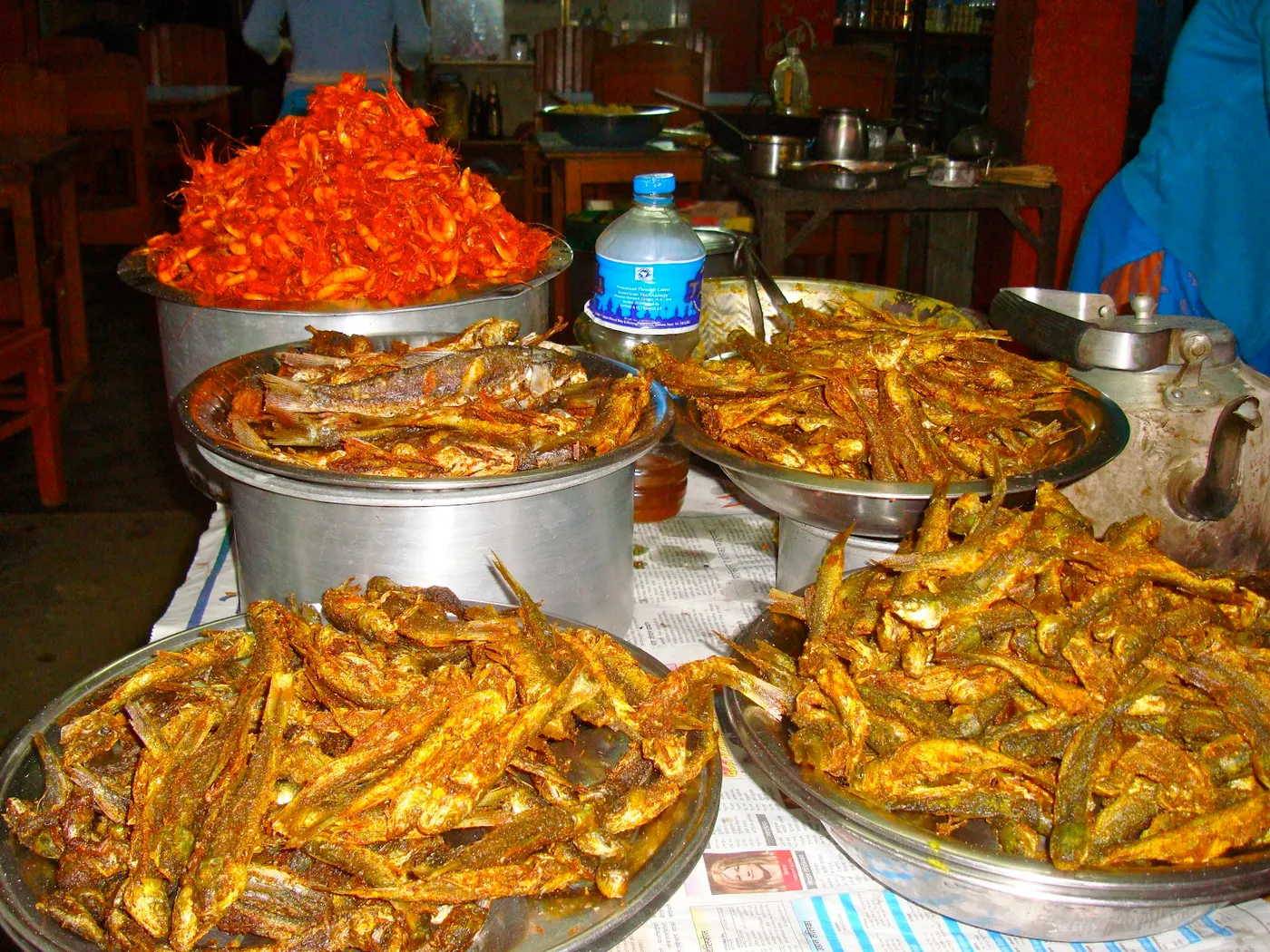
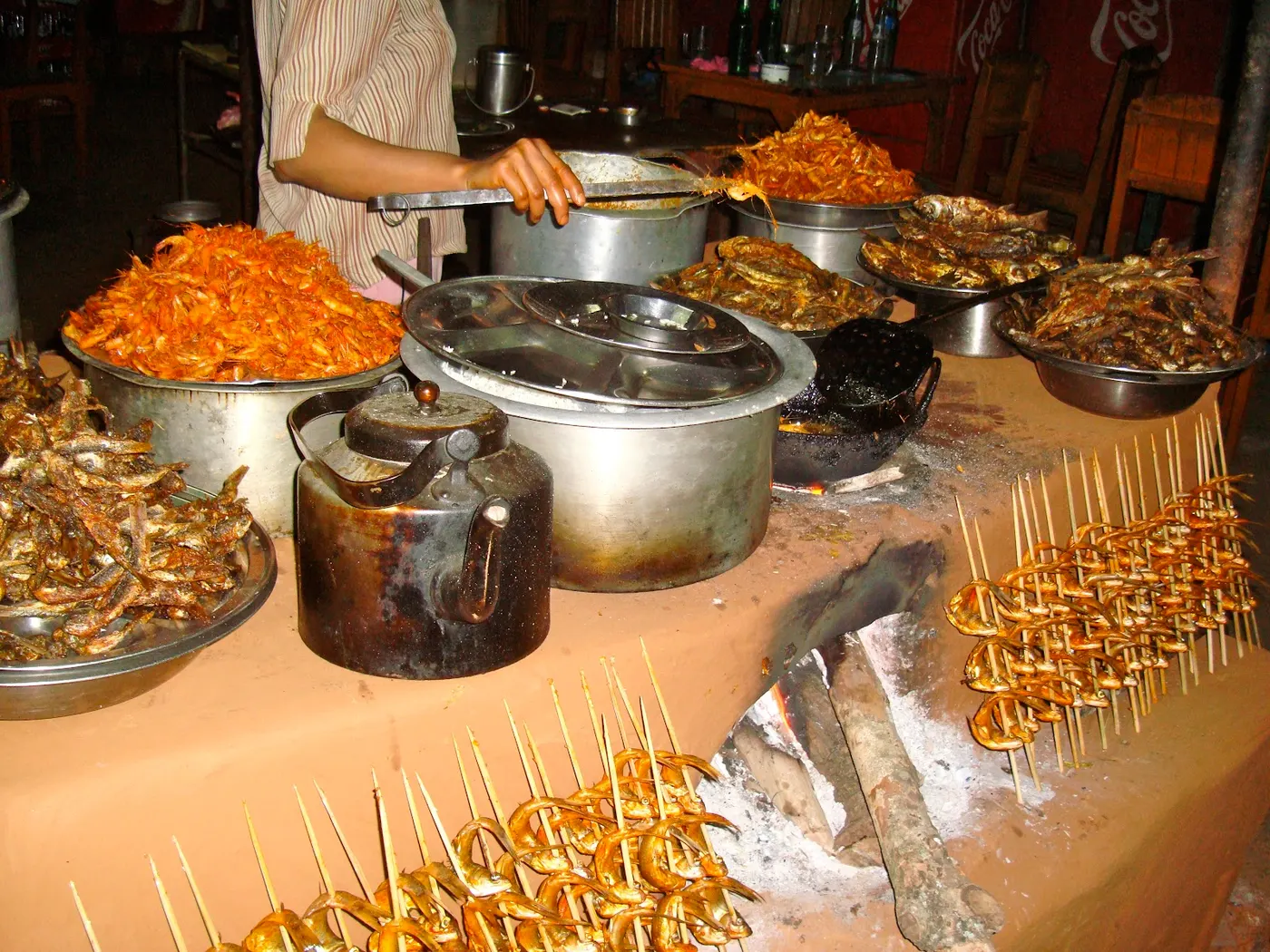
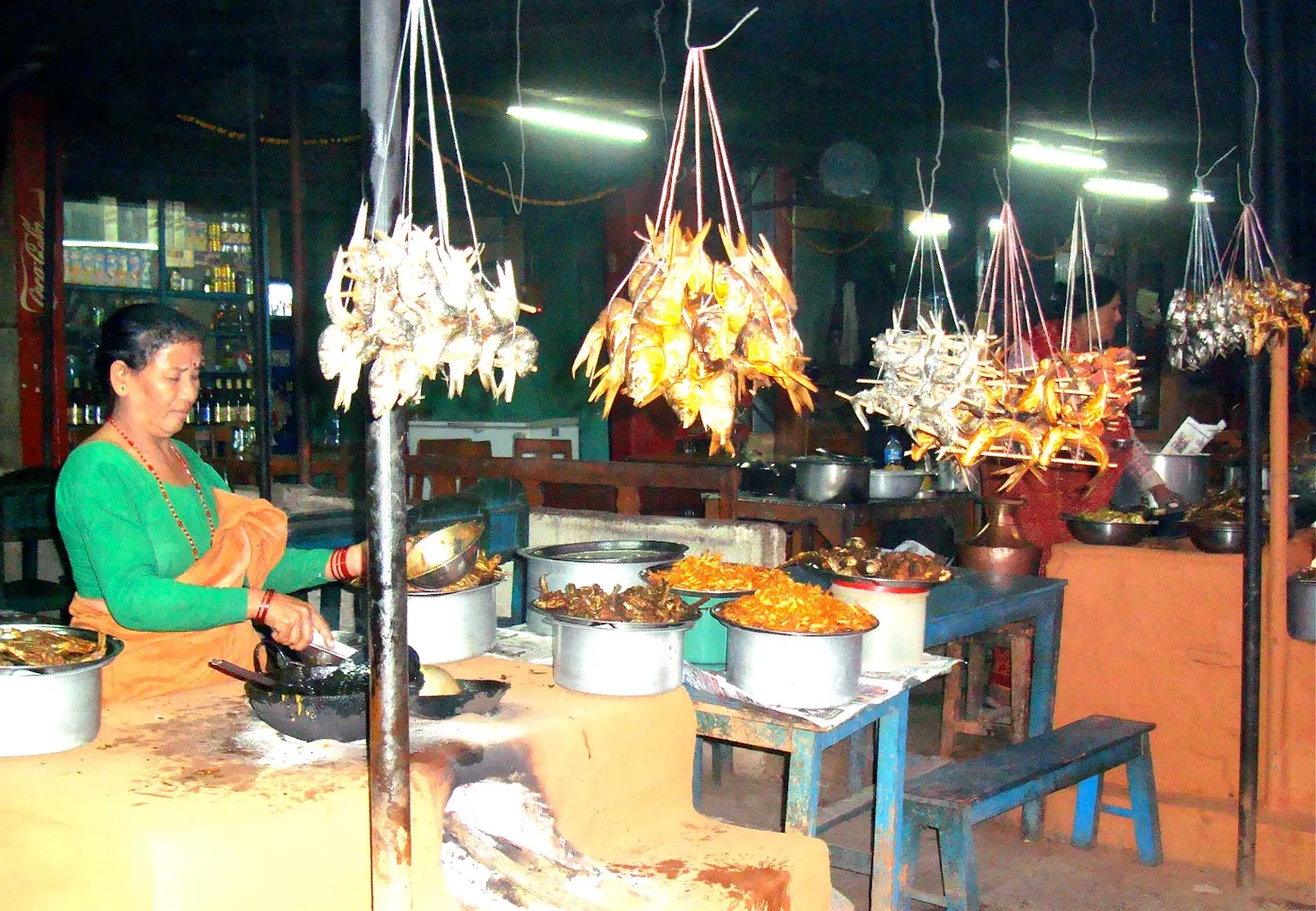
We decided to have lunch at this humble road-side restaurant where there were so many varieties of deep-fried fish. We requested the pretty lady in green Nepali cholo (blouse), if it is possible to fry our order in a fresh new oil. She smiles and replies, "gladly hazoor, I can cook the fish anyway you like and create a special dish for you." She also claimed that the fish was caught in the morning from the river. Nepali hospitality starts here!
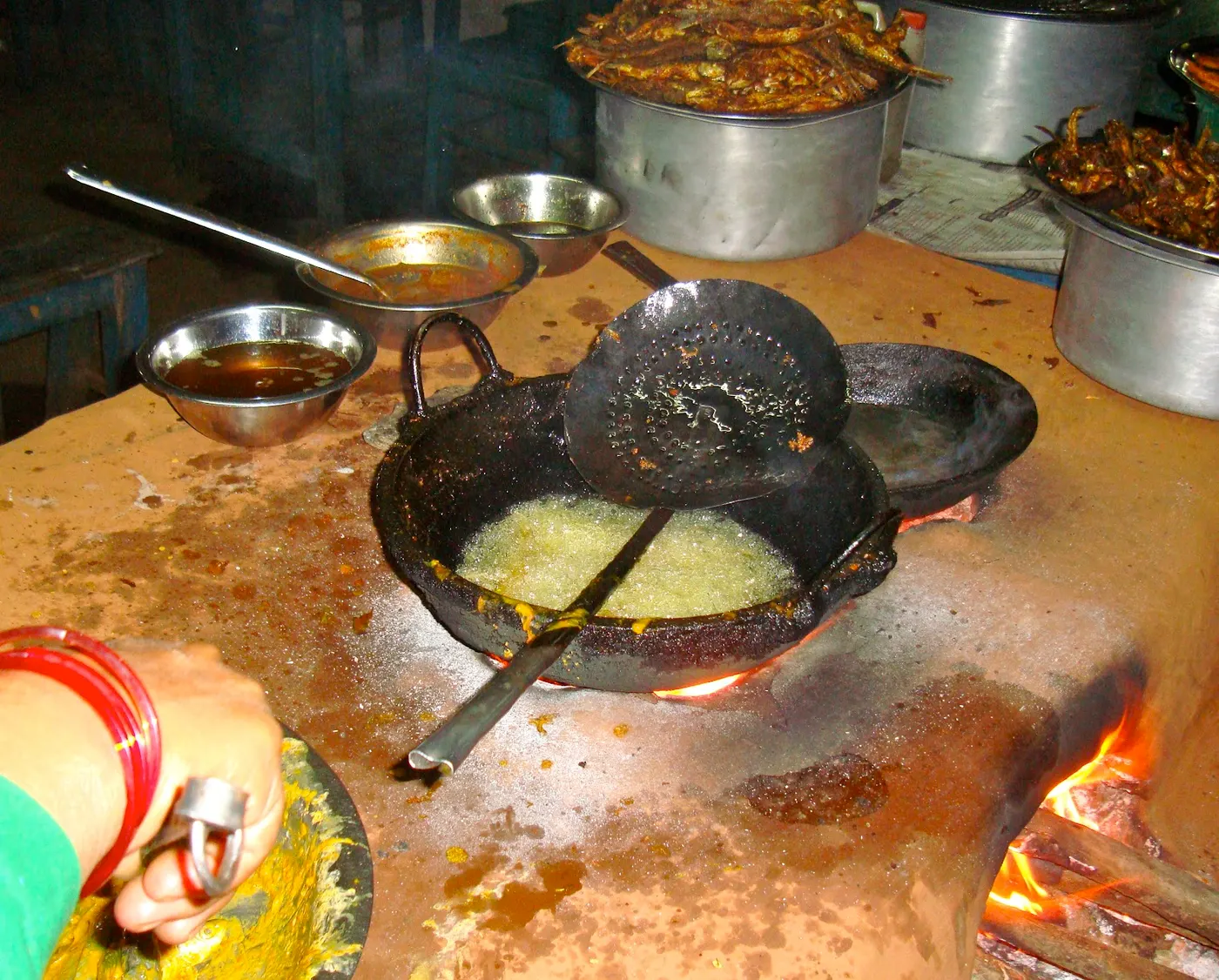
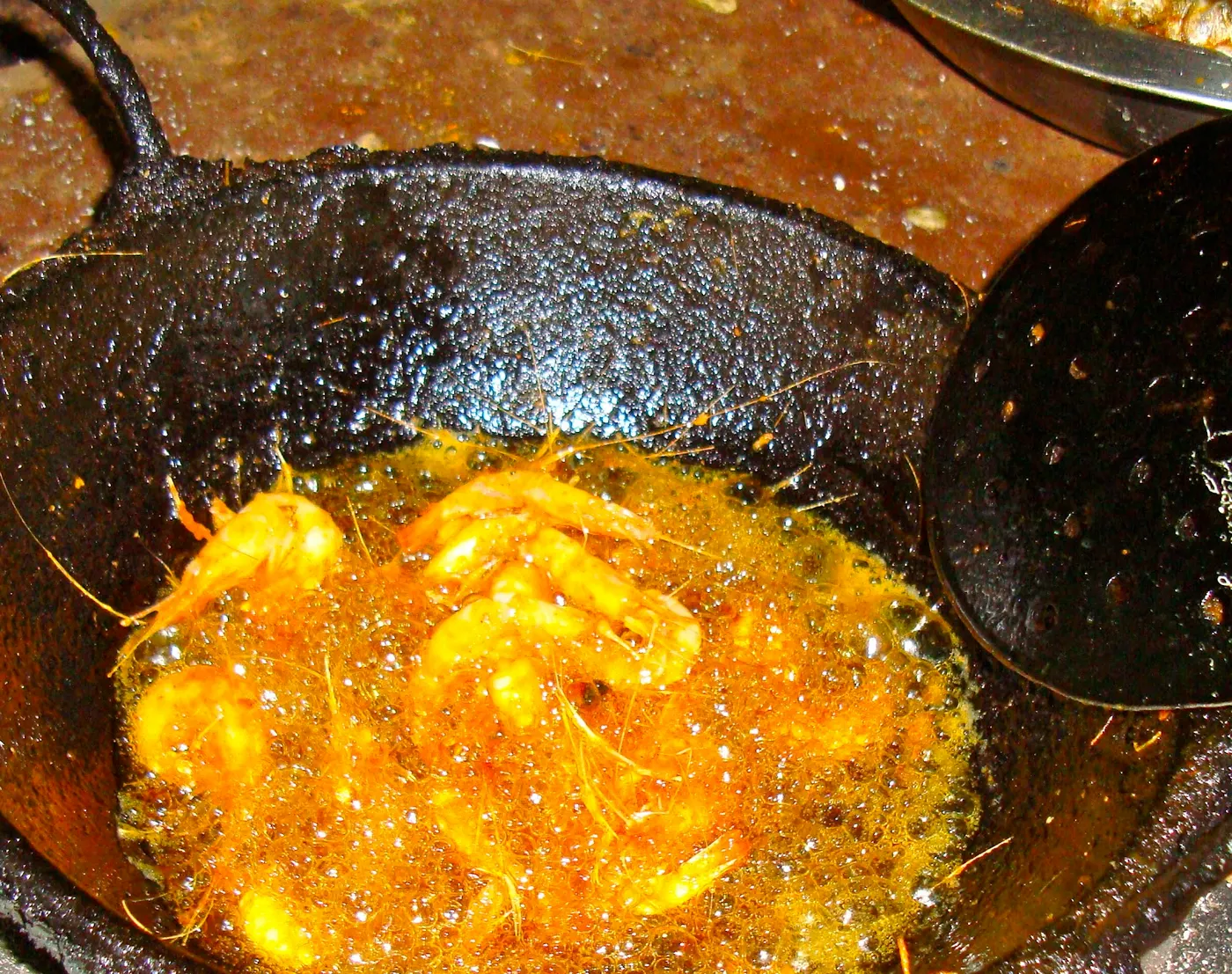
First, she removed the previously used oil, and then poured enough new oil to reach the depth of 2-inches into a large Nepali cast-iron Karahi (wok-shaped frying pan). The oil was heated until faintly smoking over a wood-burning stove. Working with 6-7 marinated fish at a time (in a single layer), she deep-fried the fish, turning occasionally, until the exterior turned into golden brown and crispy outside, but moist inside. She drained the excess oil in the jhaajar (large slotted spoon) and transferred the fish into stainless-steel plate.
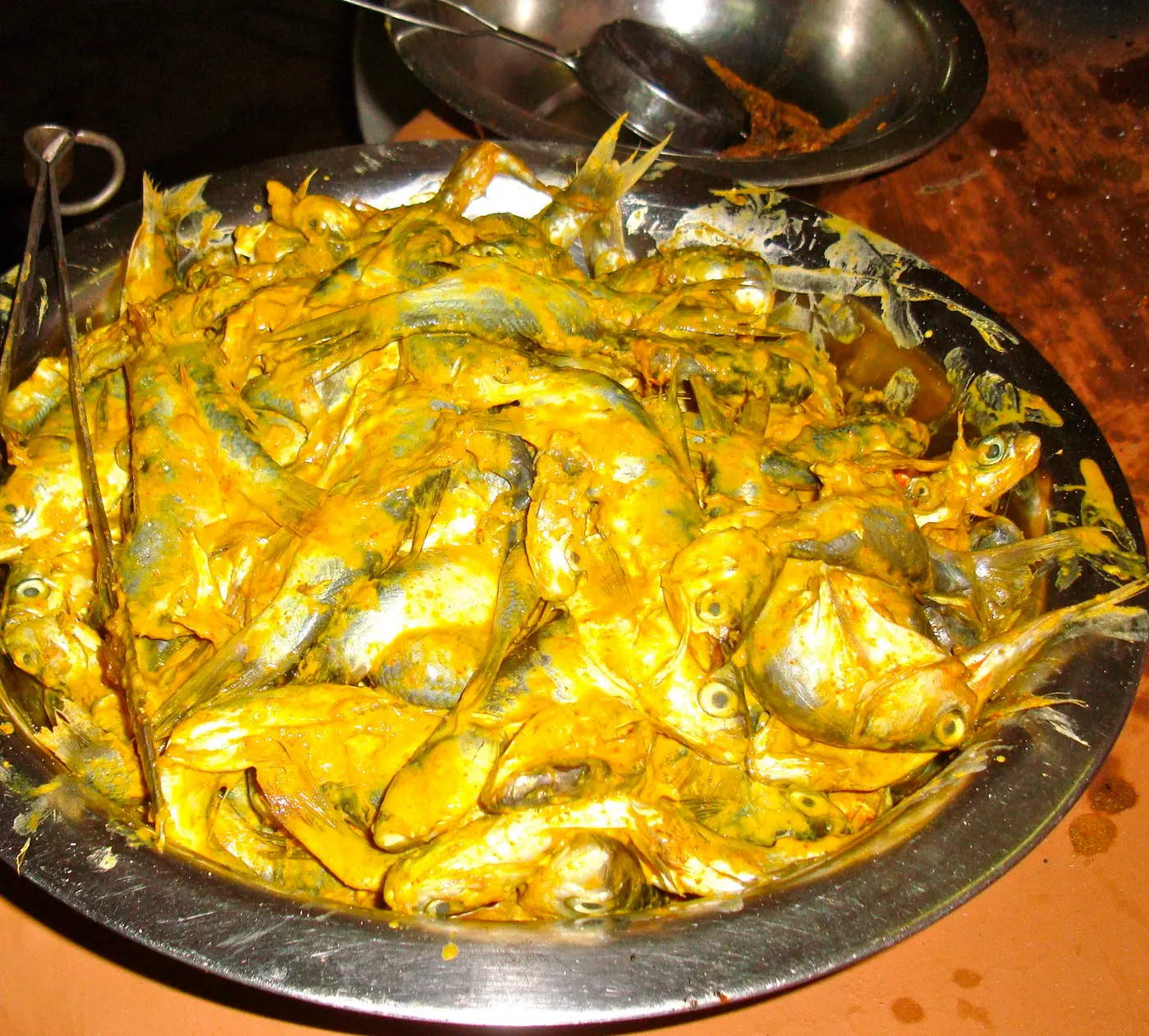
In this picture, the small whole fish were marinated with salt, turmeric powder, ginger garlic paste, ground cumin, ground mustard, chili paste, lemon juice, egg, and flower. For step-by-step instructional video on "spicy fried fish Nepali style (Gokarna forest resort)" - please click the link.
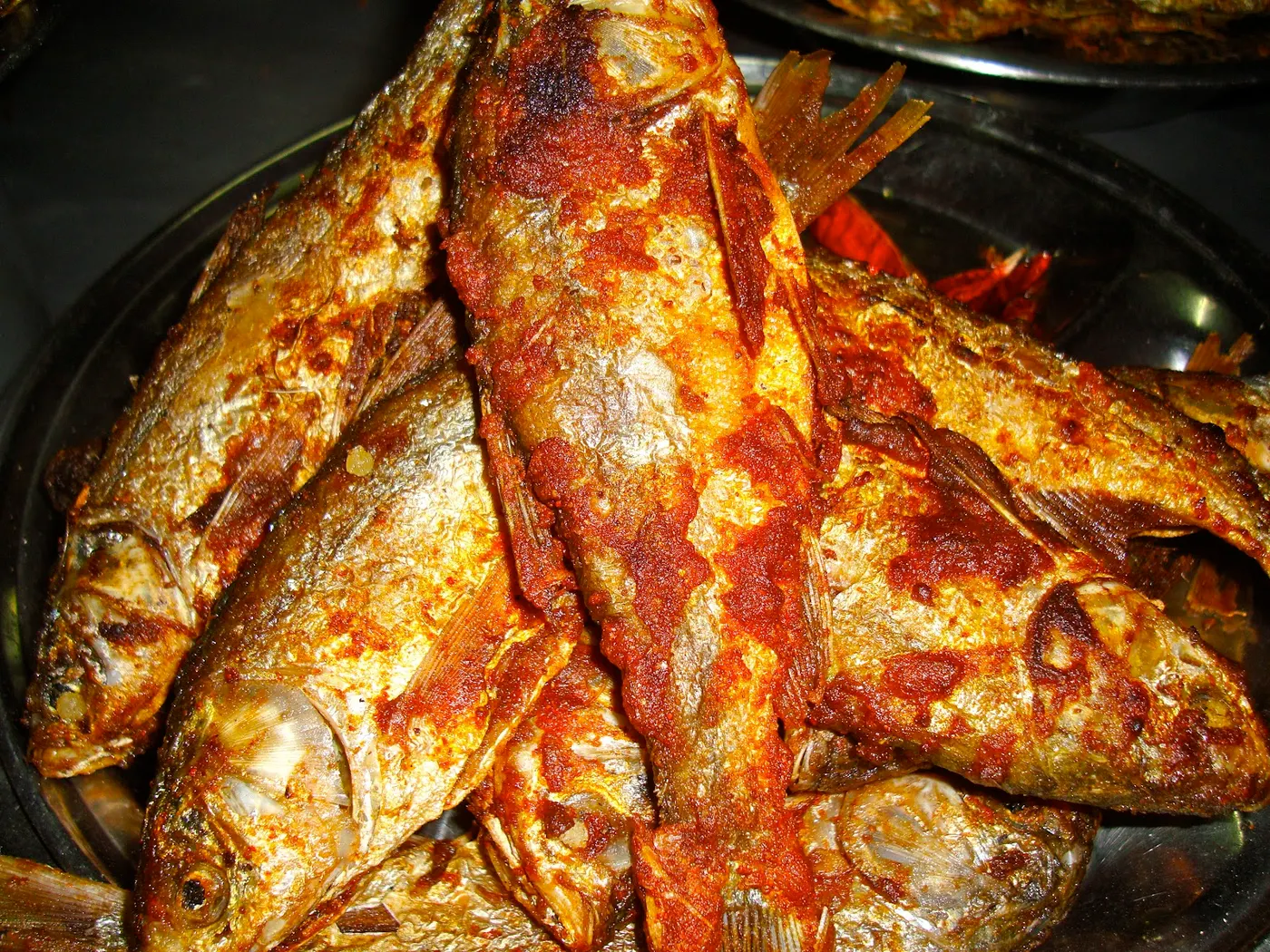
The best memories starts here - we absolutely loved the Malekhu ko Maachaa. We savored every bite of the fish and the accompaniment that came with the order, which was golbheda ko achaar (tomato chutney) and spicy potato patties. After finishing this platter, we were ready for more fried fish and jinghe maachaa (crayfish or crawfish).
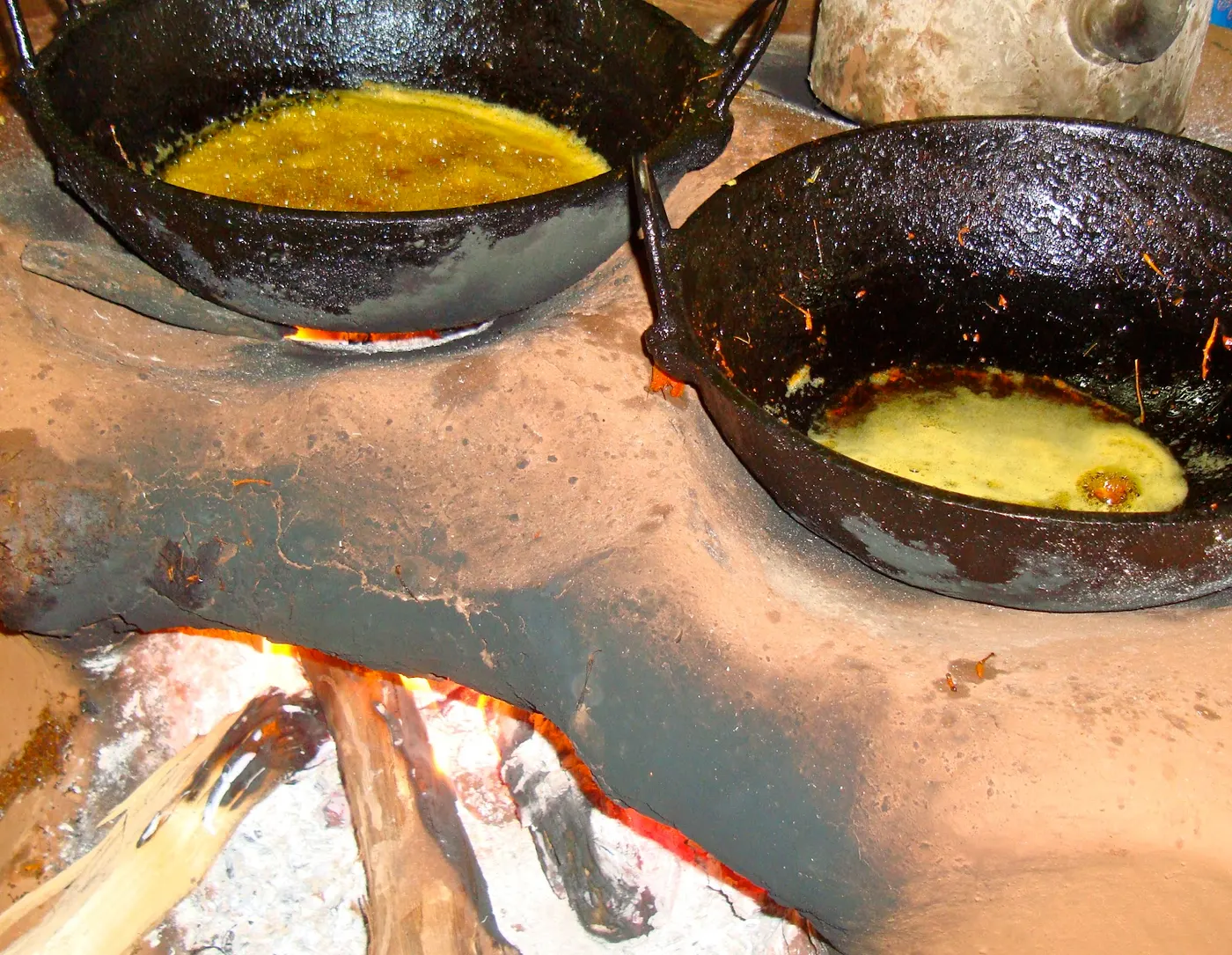
Frying the two varieties of fish at the same time over a traditional wood-fed stove (Nepali chulo). Nepali karahi is one of the most indispensable cooking utensils in Nepali kitchens. It is made of heavy cast-iron and can withstand high cooking temperatures. It also absorbs heat quickly, distributes it evenly, and making it one of the most the best utensils for frying fish over wood-burning stove.
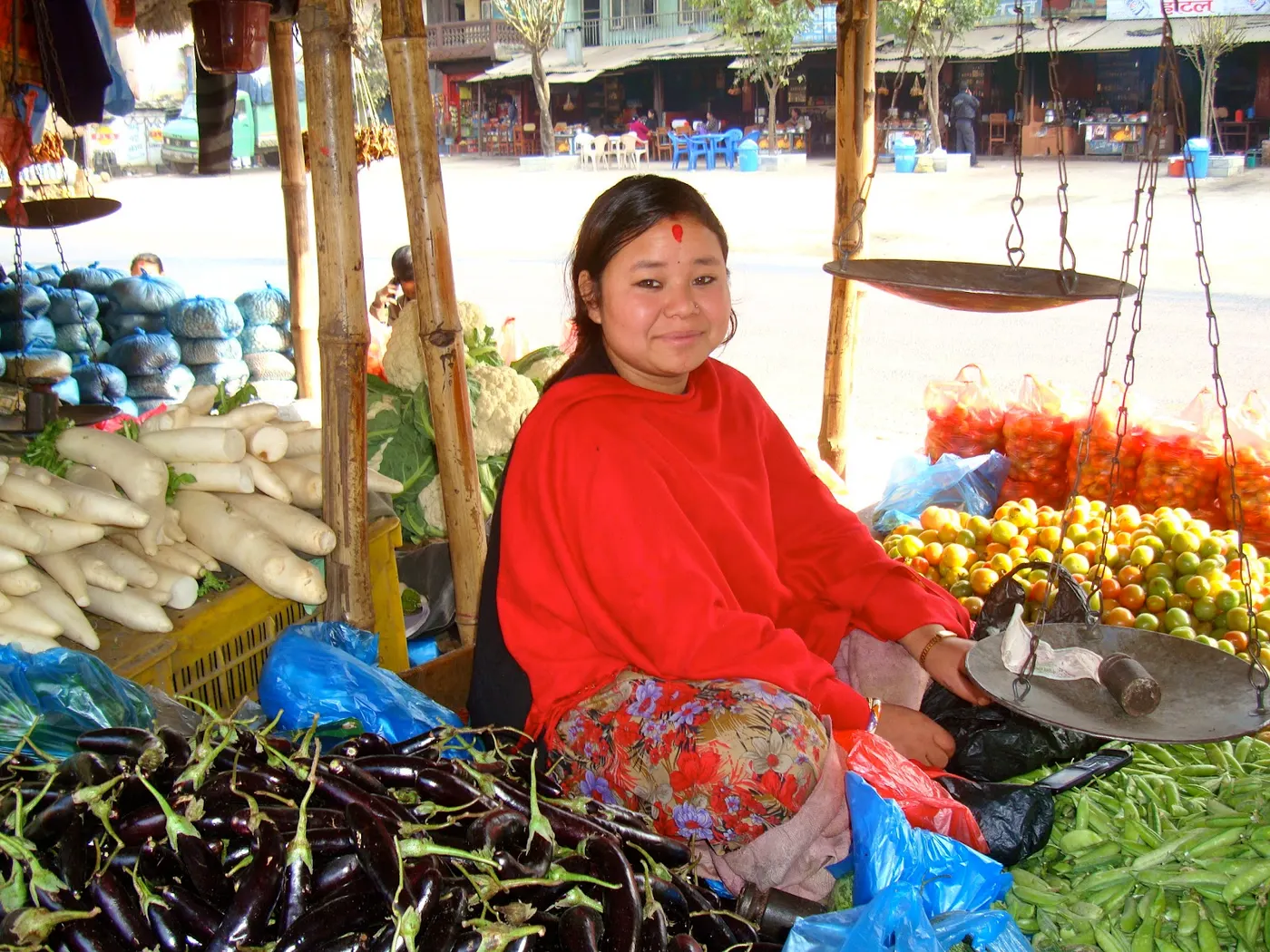
Beautiful young lady holding hand-held Nepali taraaju (measuring devise) and selling locally grown vegetables and asking us, "Malekhu ko taajaa-mitho maachaa khanu bhayo te?" - translation "did you try delicious and fresh fish from Malekhu?"
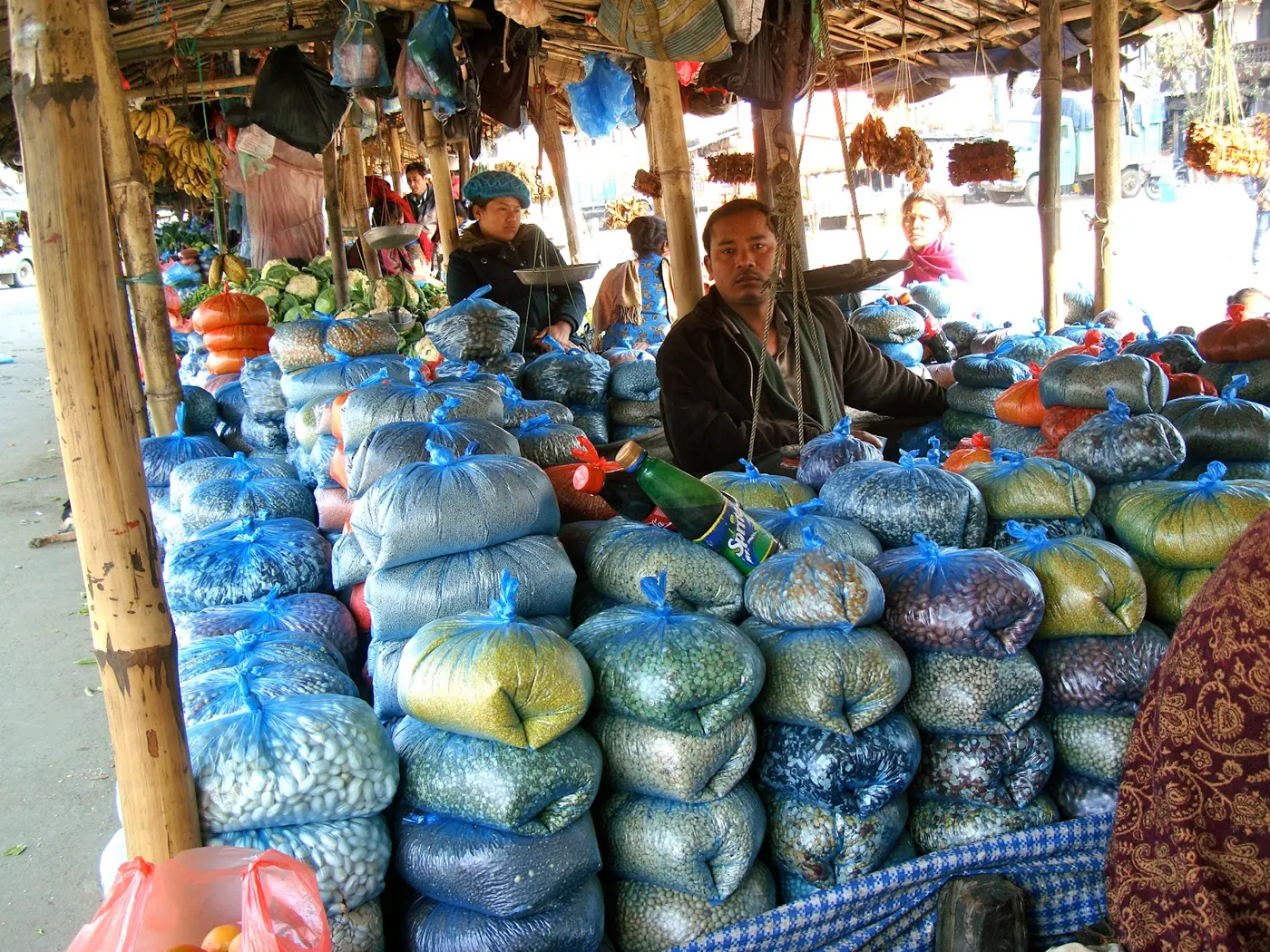
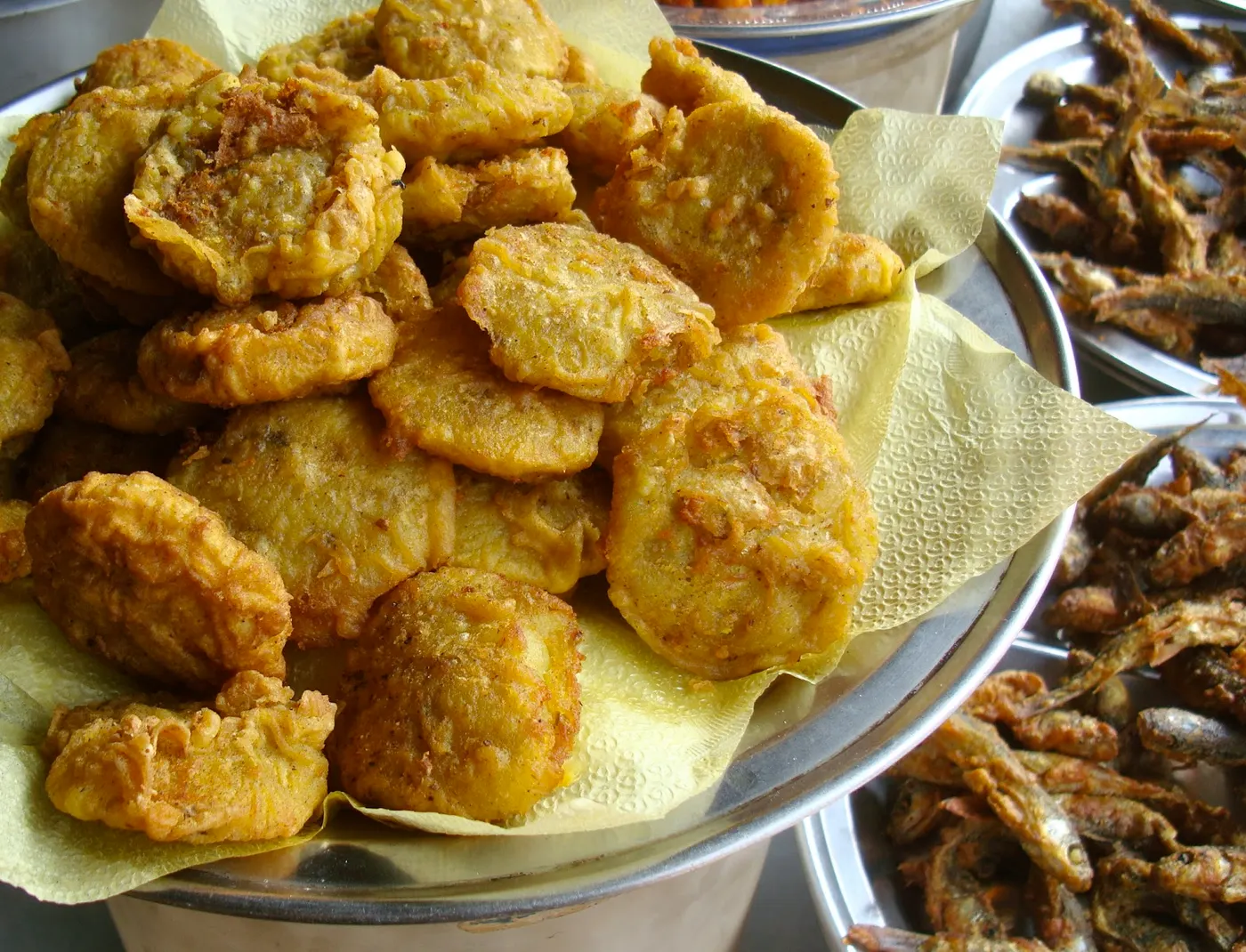
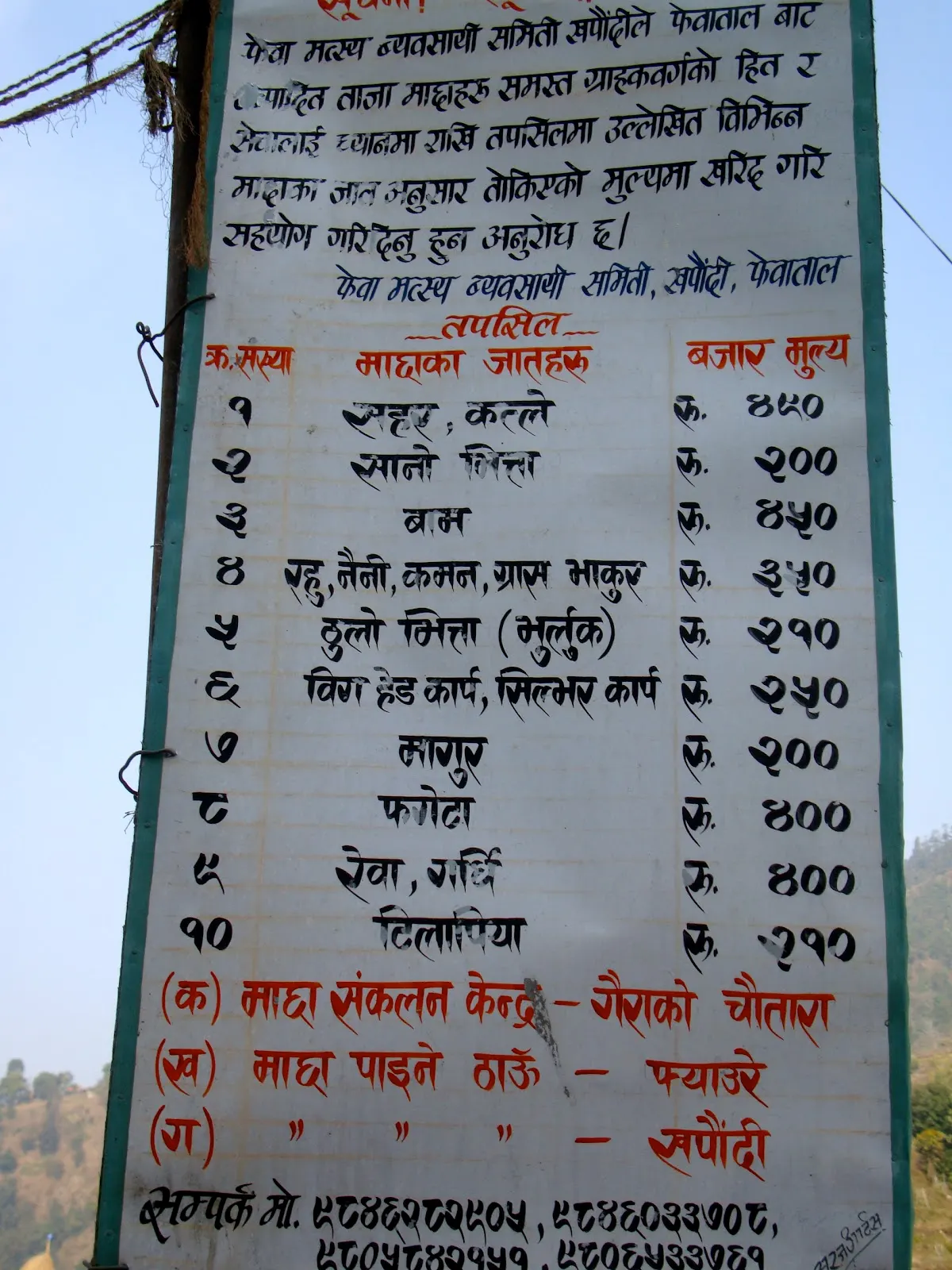
The names and price list of locally found fish displayed in one of the restaurant.
Did you know? There are more than 185 species of exotic fish dancing around the fresh Himalayan water - ranging from much sought after Mahseer to mountain stream Trout, Catfish, Murrei, Rainbow Trout, common Trout and the Crap...... continue reading here.
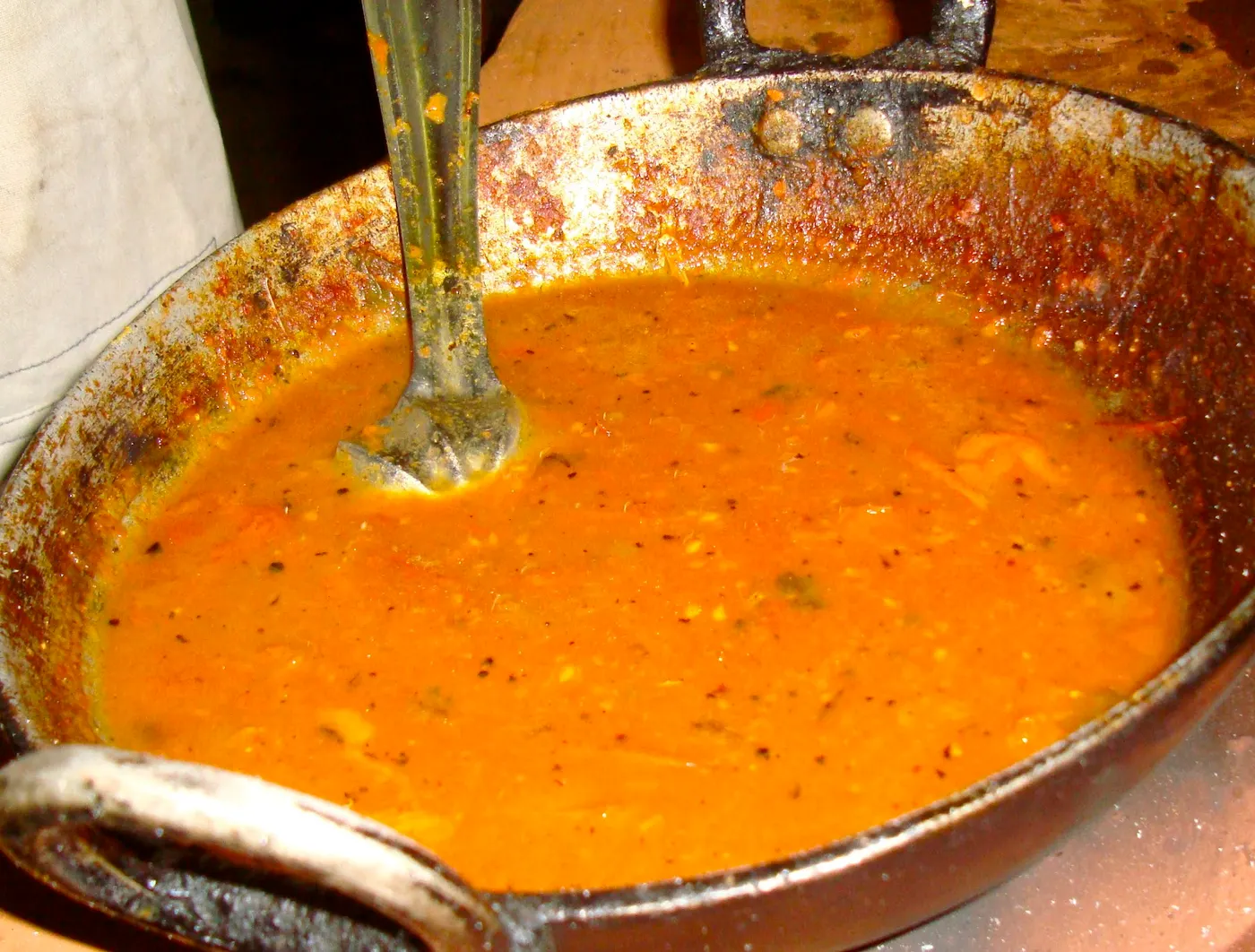
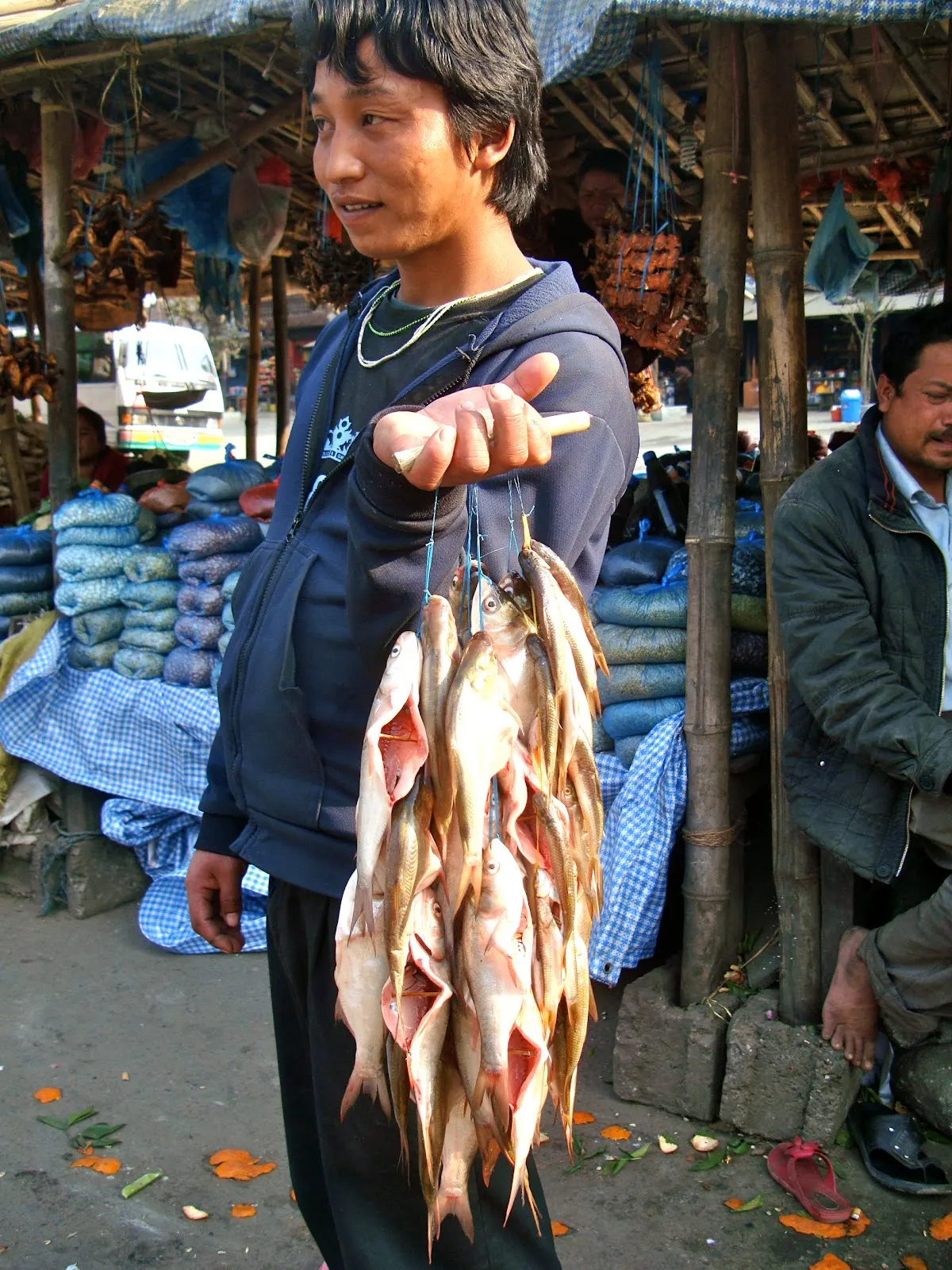
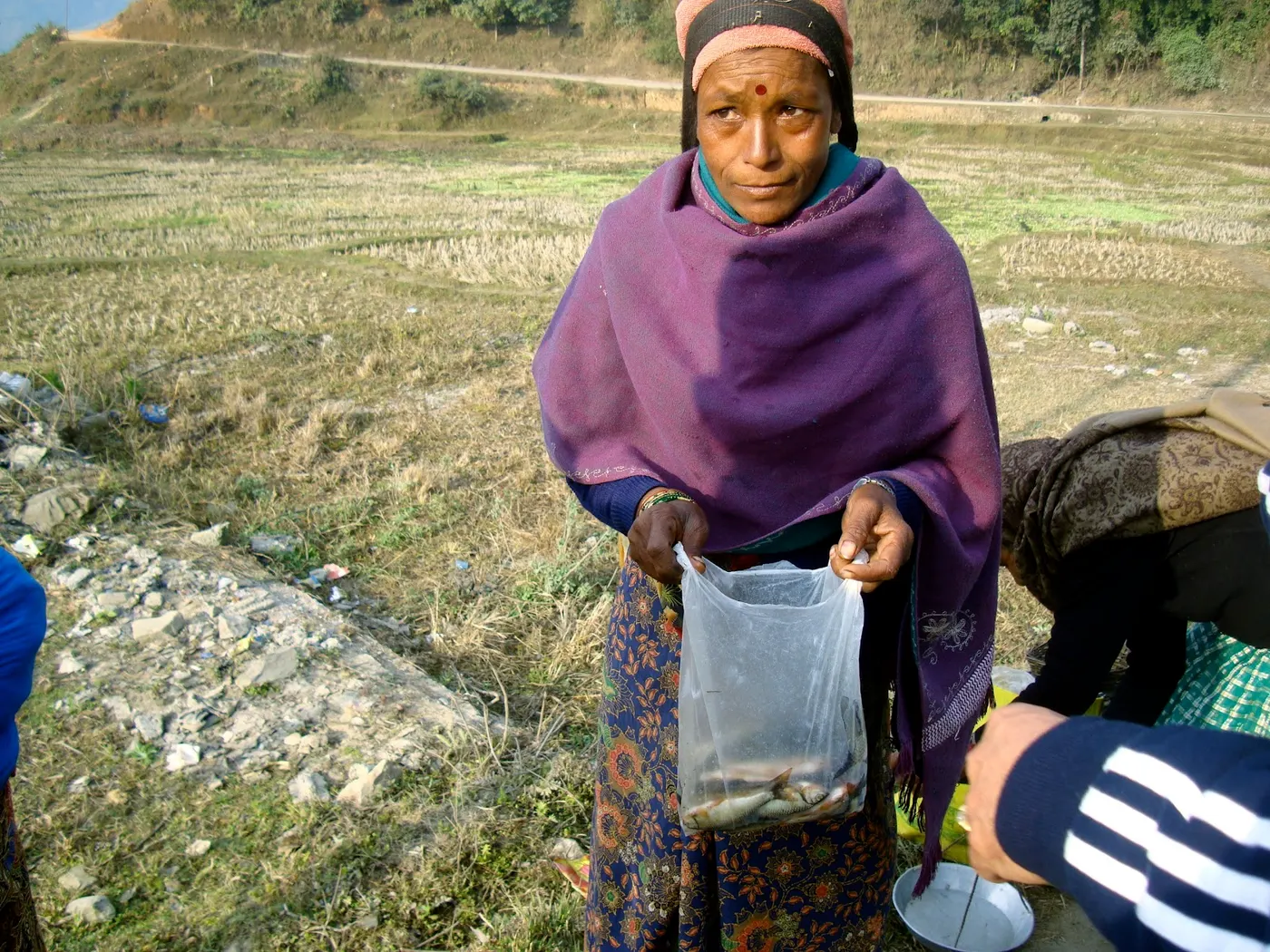
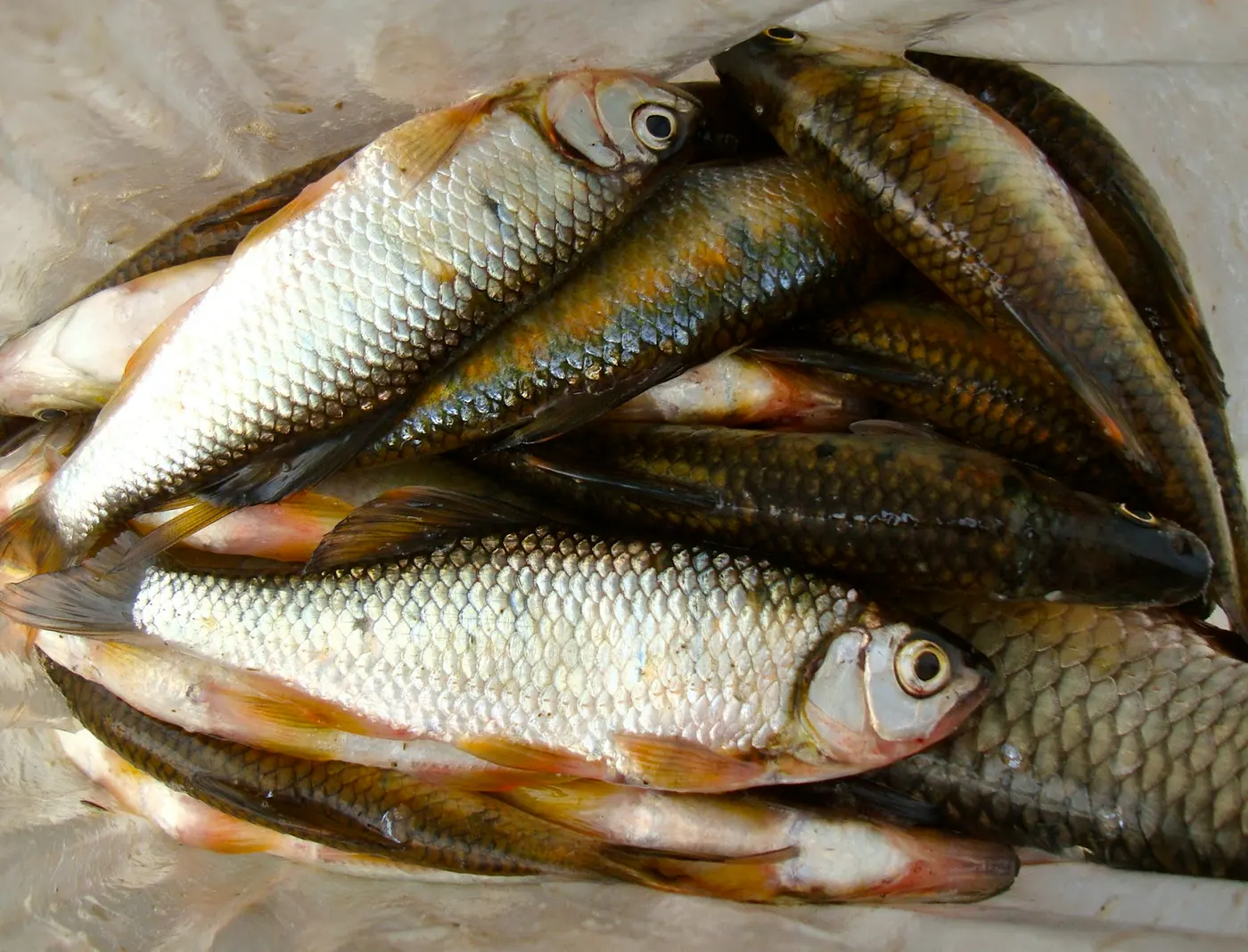
More fresh fish...
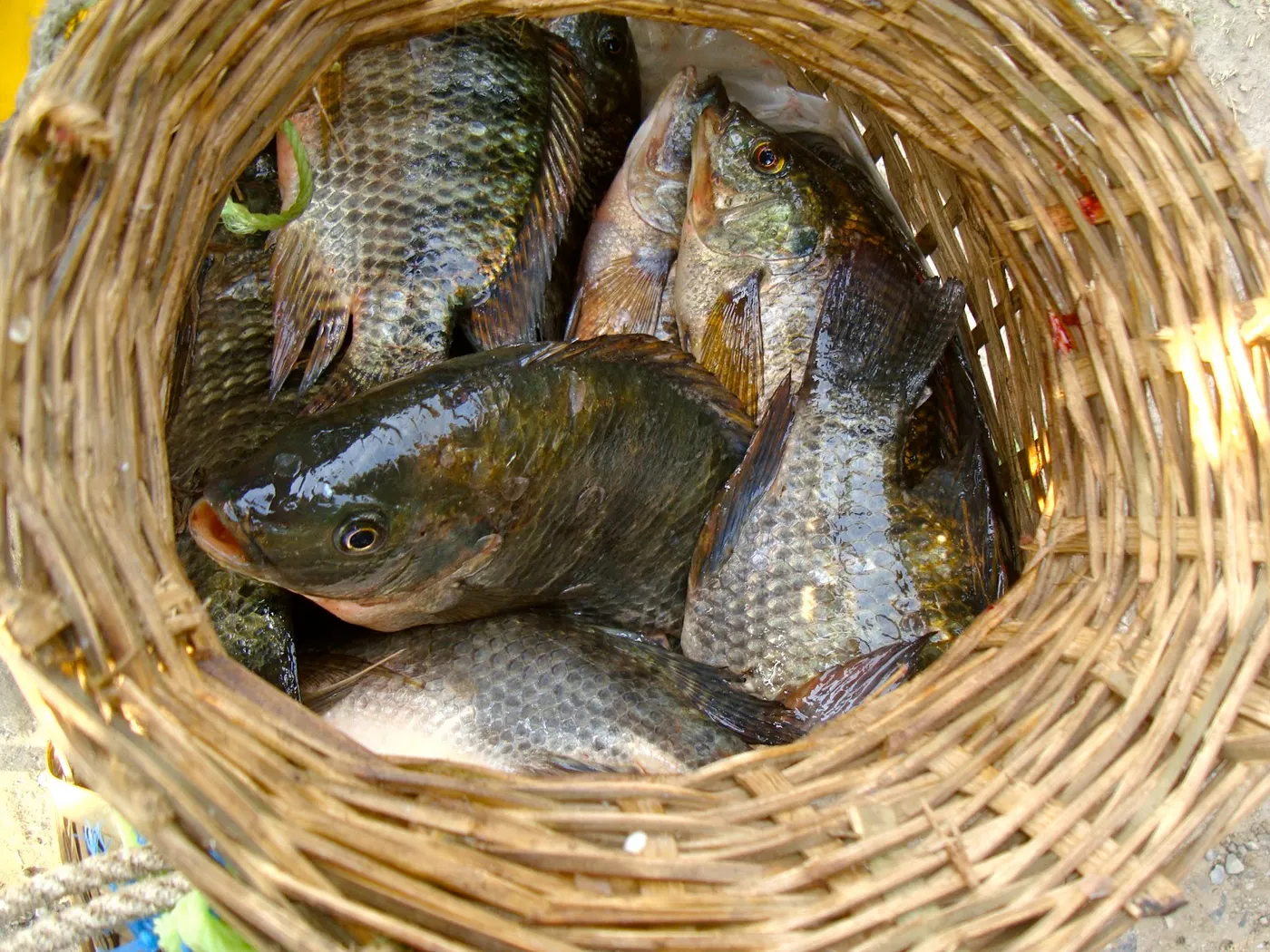
Fish being transported in a special basket.
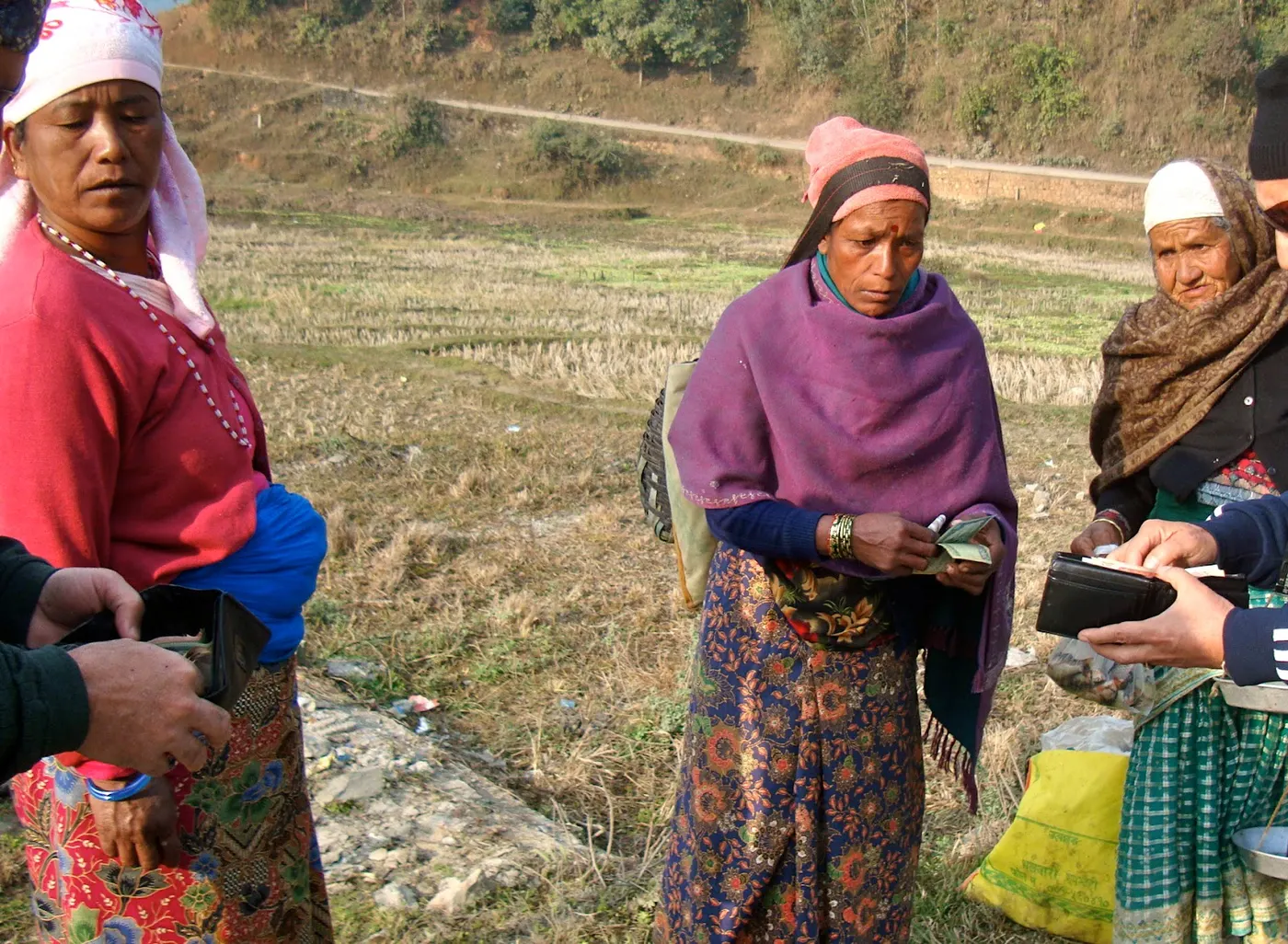
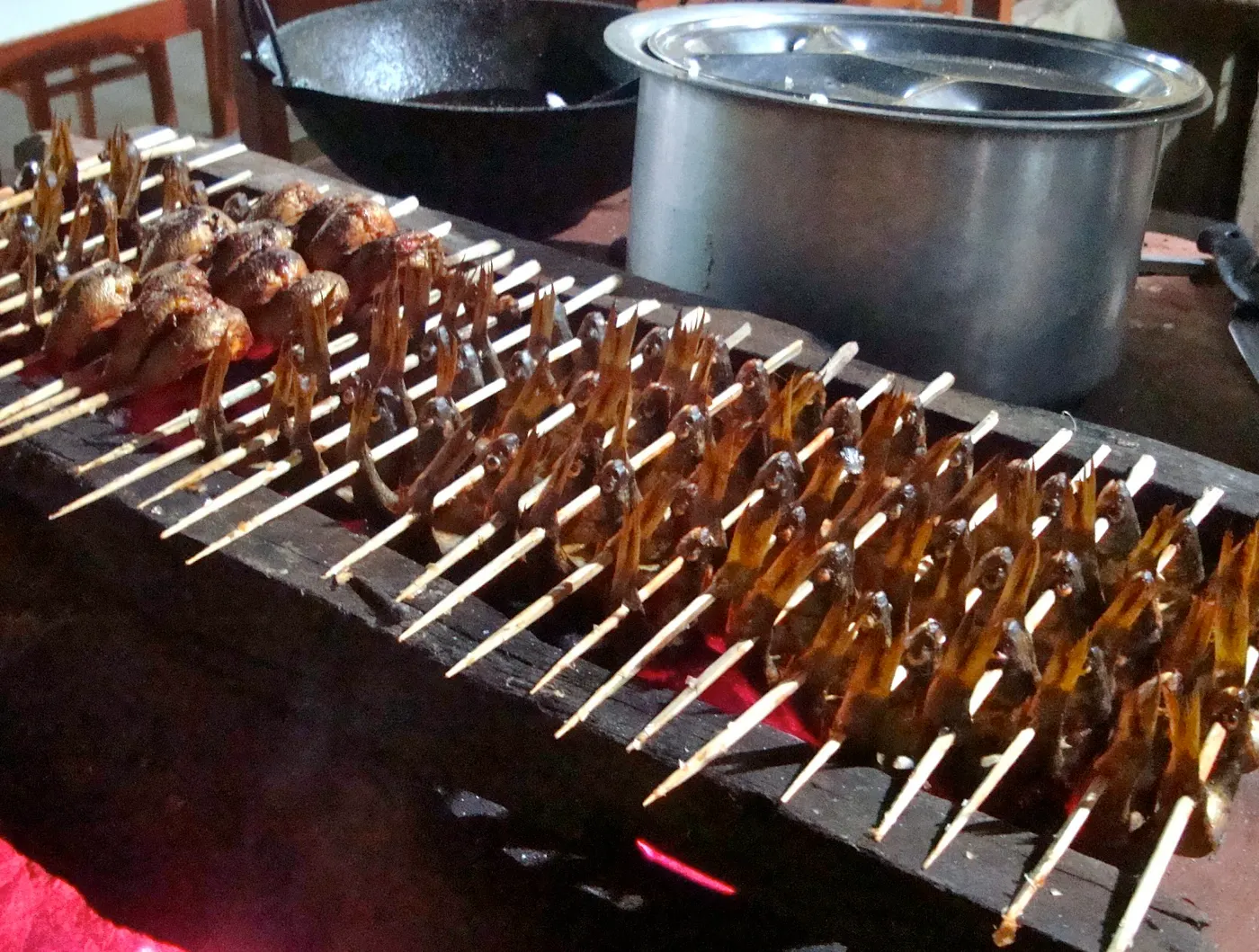
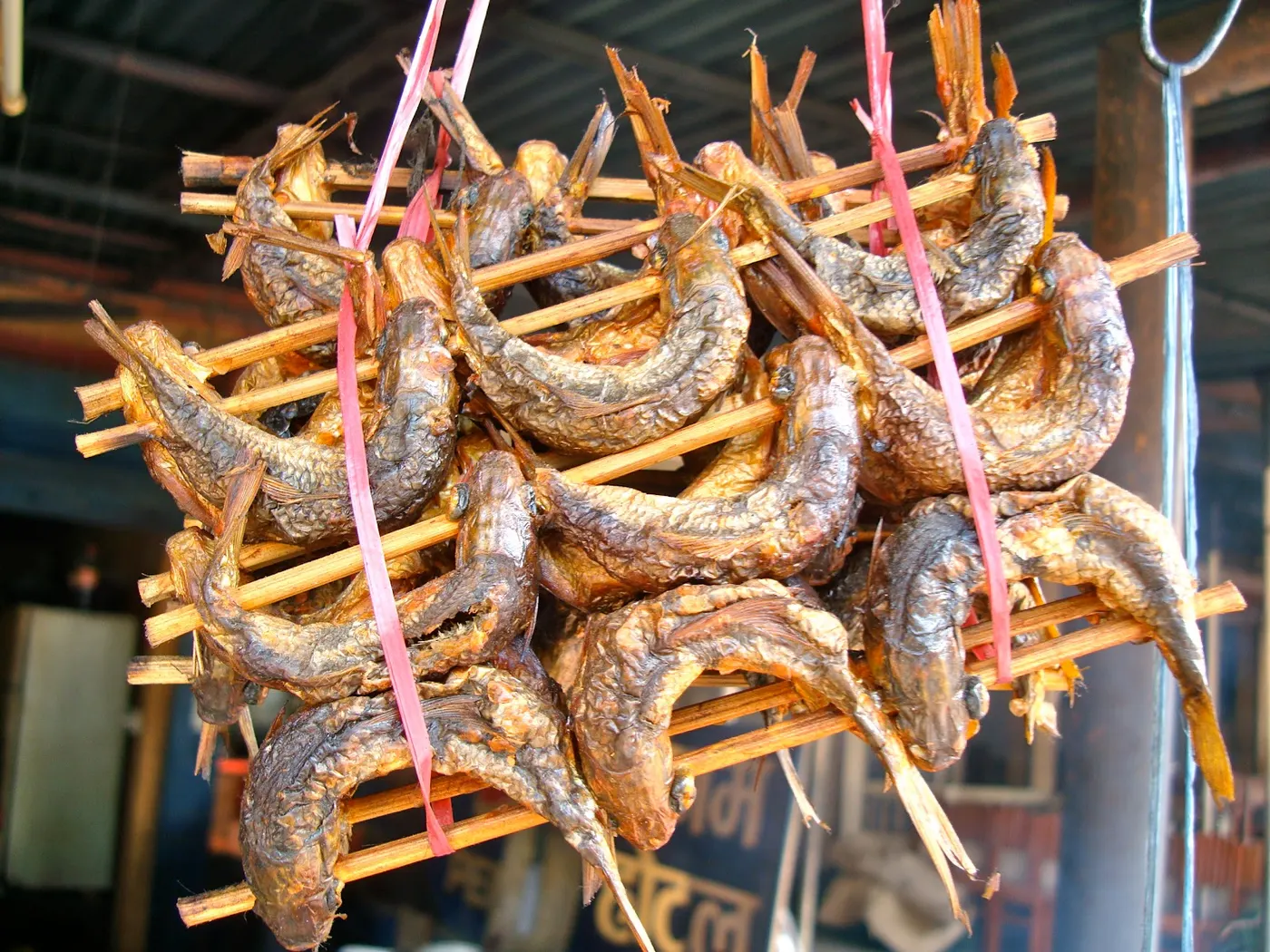
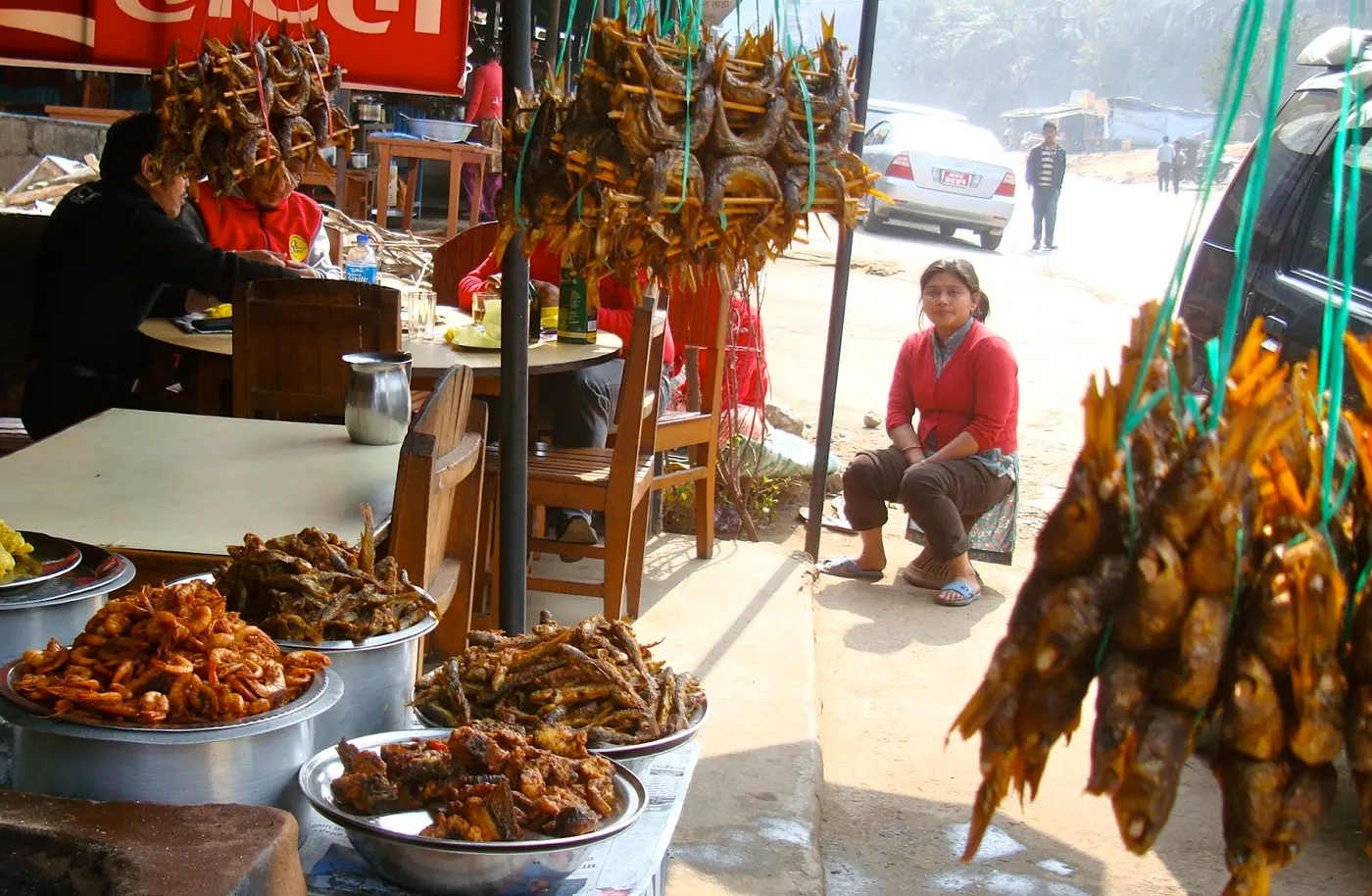
Another road side fish restaurant - a quick stop over for a delicious snacks or lunch en route. It was truly a village dinning experience and this reminds me of a folk and dohari song titled, "Malekhu maa bhet - Malekhu ko taaja maachaa khaanu hos hai" please click here to watch the video.
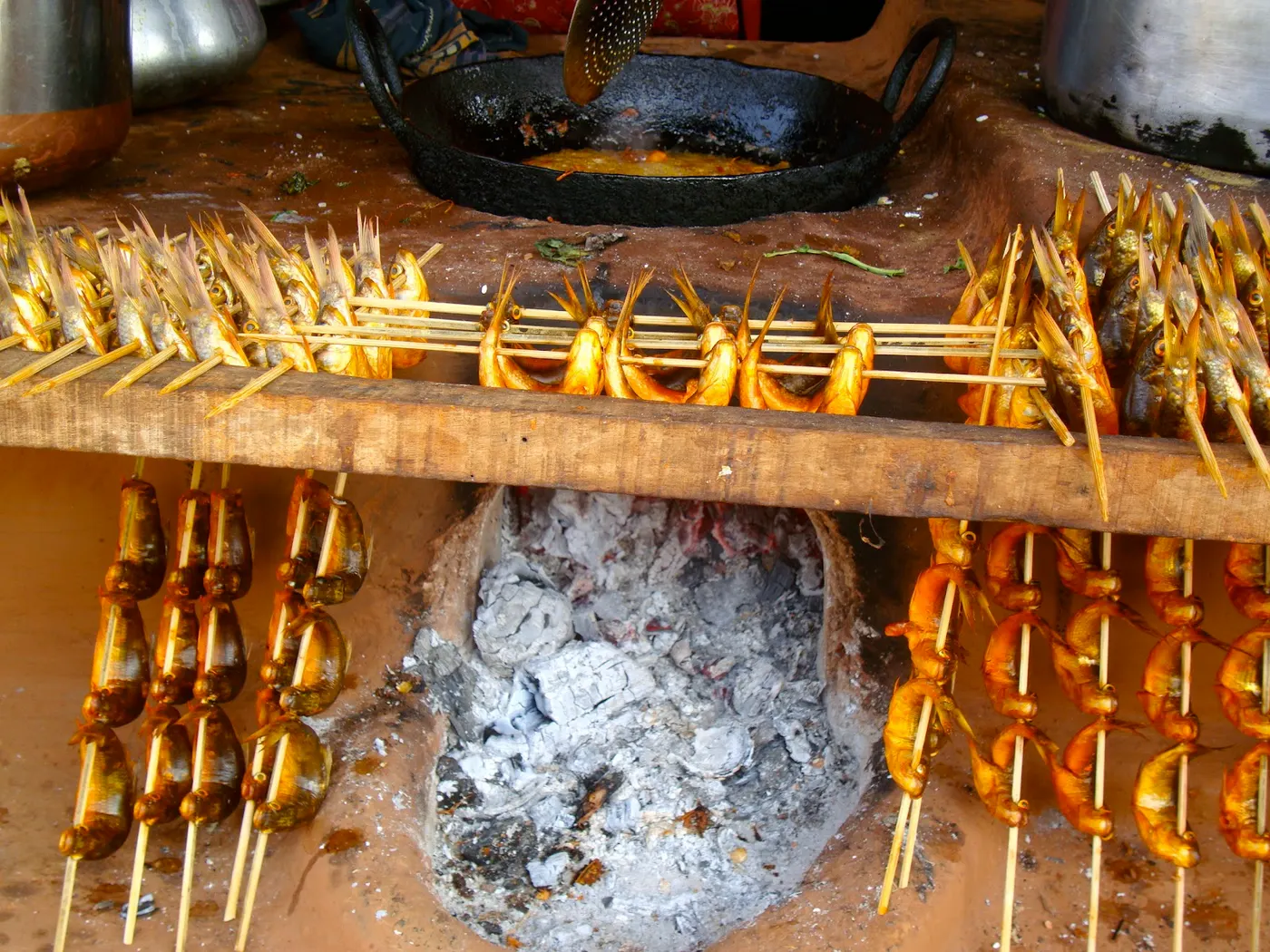
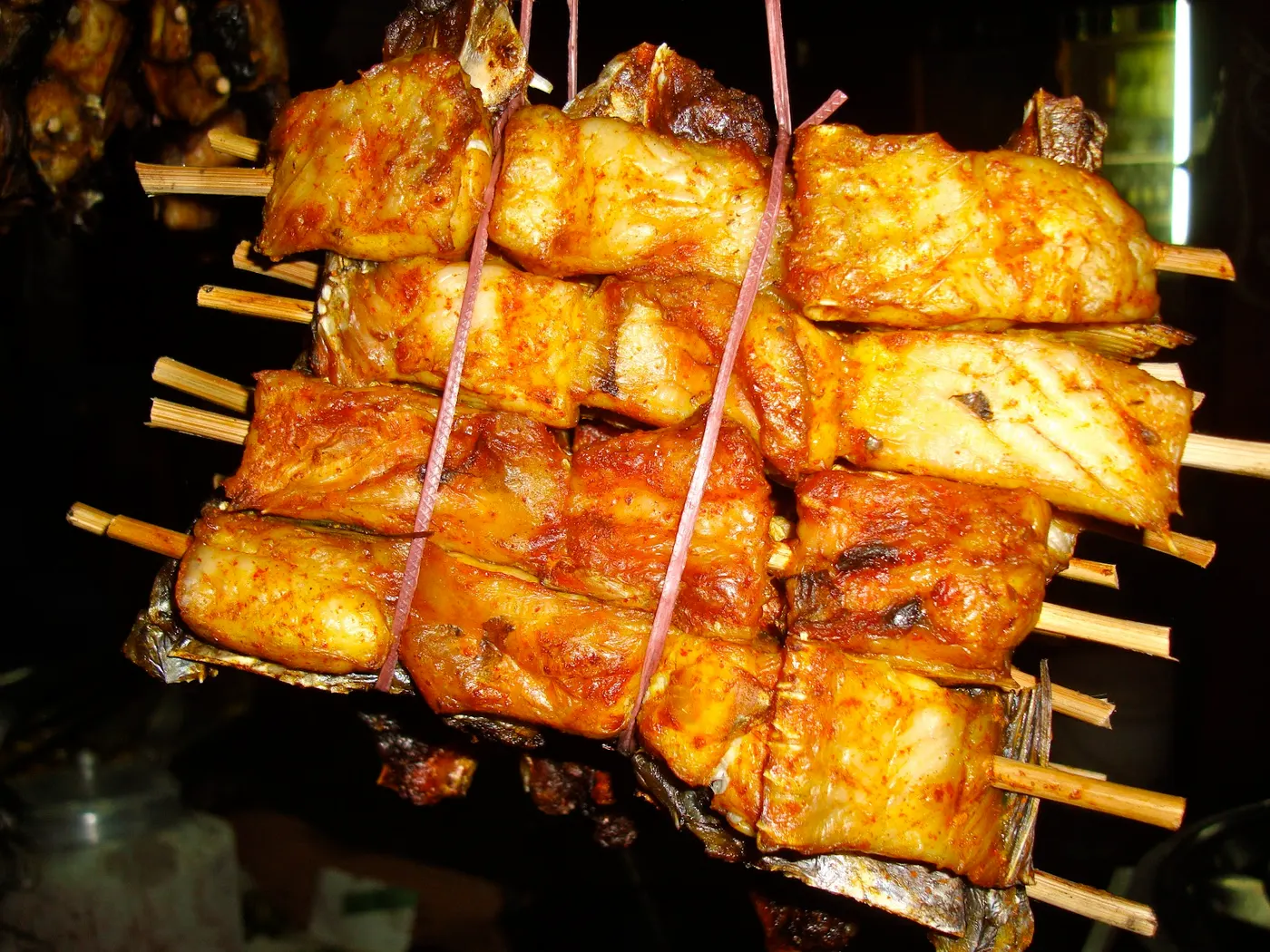
Small fish is artfully woven in the bamboo skewers and preserved by smoking. They are placed in the sides and on the top of the wood burning stove and dehydrated just until the moisture has evaporated and skin has dried to touch. The fish skewer is removed from the stove and hanged to air-dry further, making room for another batch of fresh fish.
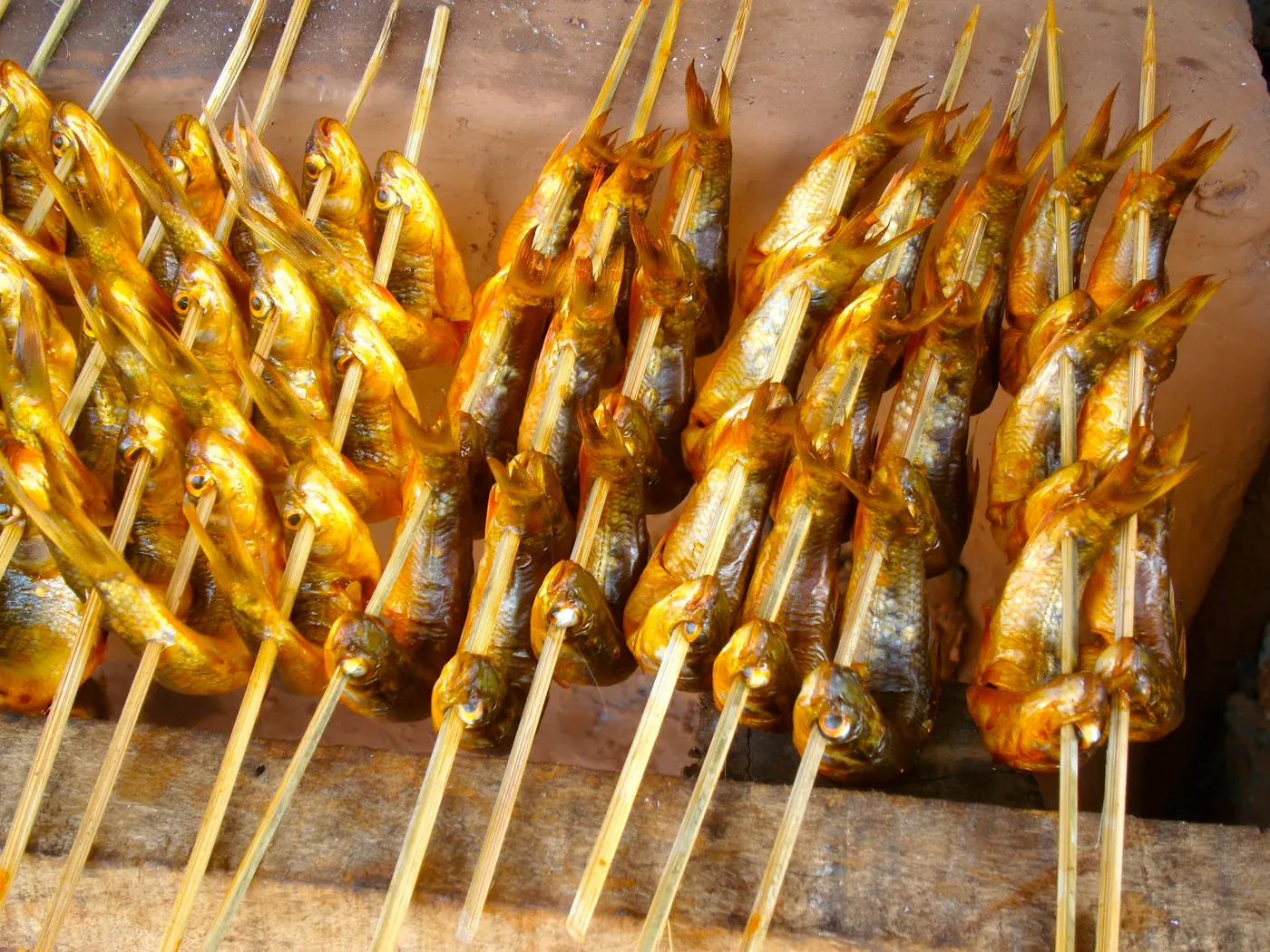
Traditional ways of drying the fish, first placing near the wood-fed stove, then in the open air with natural sun rays. The time to dry this kind of fish depends on the heat source.
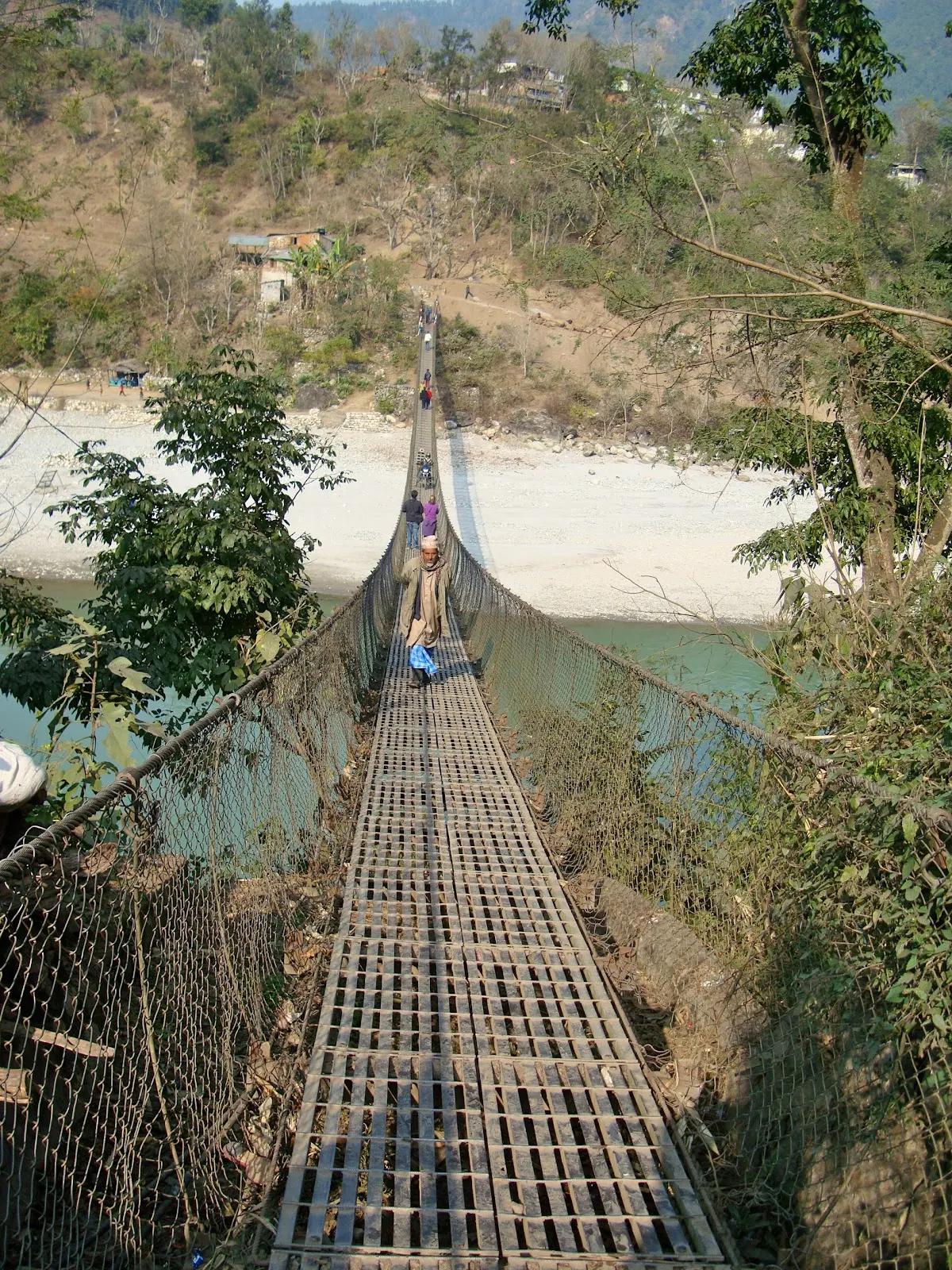
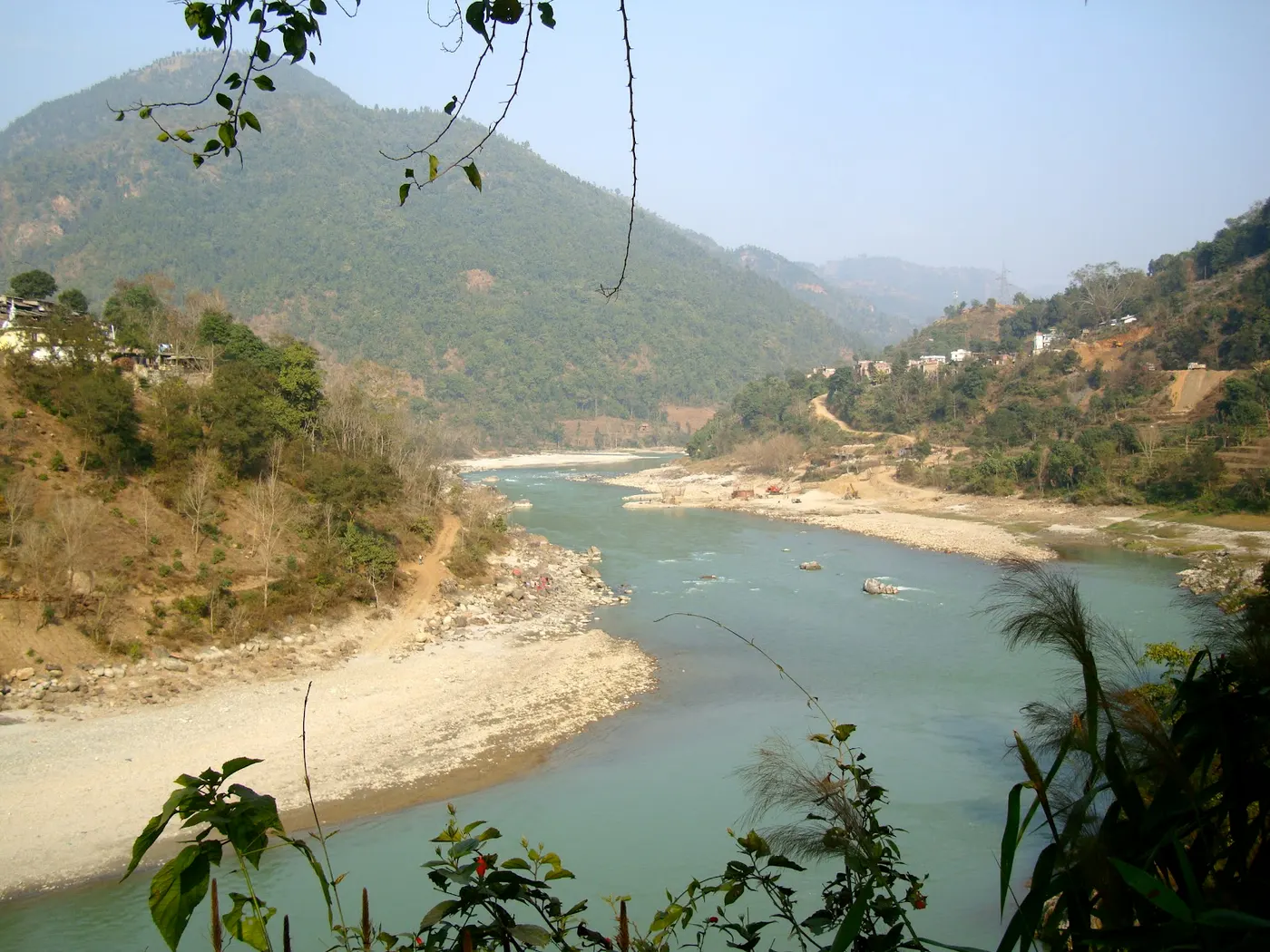
Overlooking Trishuli River and falling in love with the view of the river. Check the following link for the map of rafting rivers of Nepal - Trishuli, Bhote Kosi, Seti Khola, Kaligandaki, Marsyandi, Sunkoshi, Karnali, Tamur, Arun and Dudh Kosi.
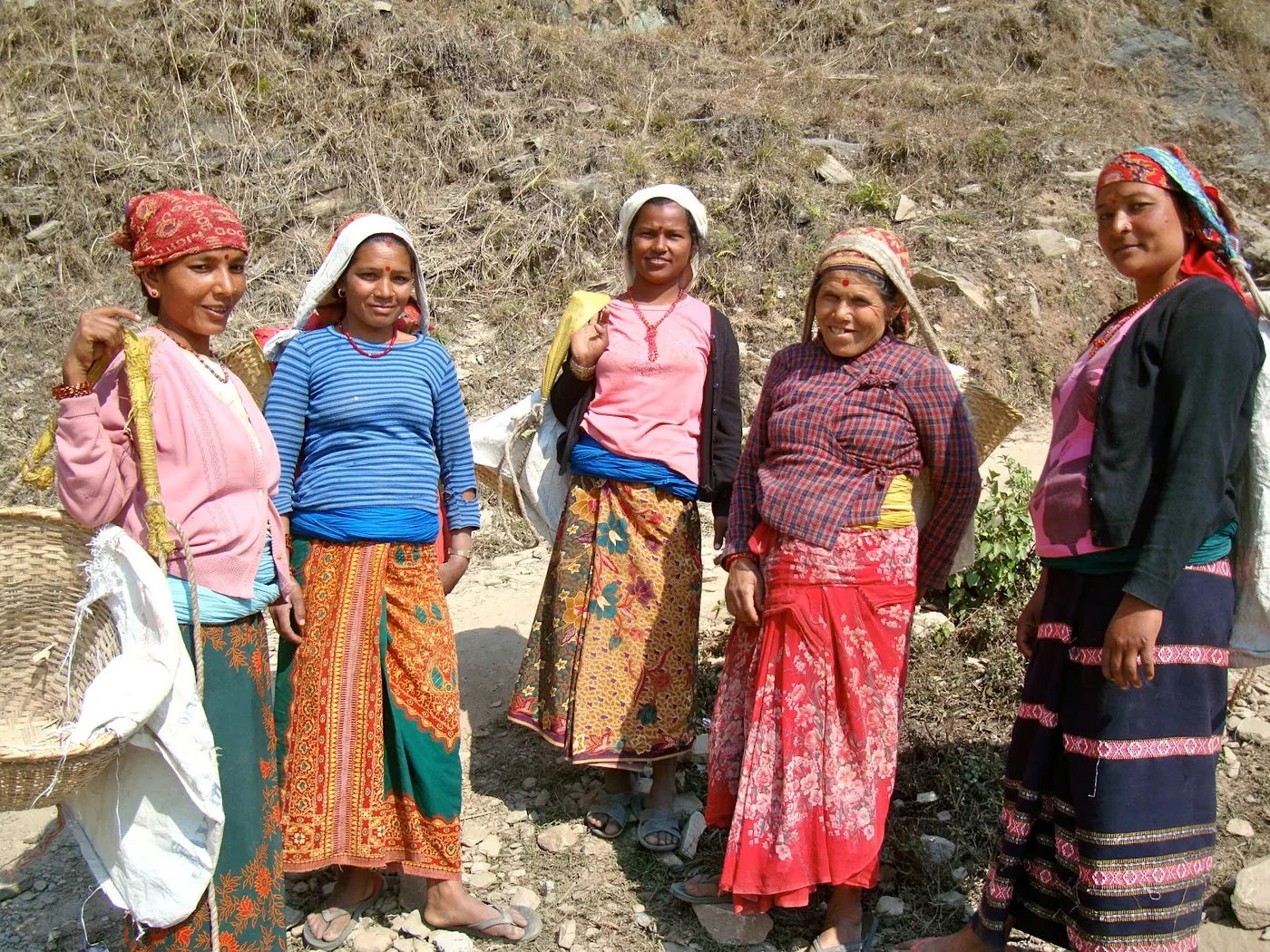
Attention grabbing village ladies on their way to daily chores is posing for a picture for me with a smile - later I thanked by sharing a packet of store-bought Nepali fruit candy, Lapsi ko Titaura.
Copyright Information
All information on the Taste of Nepal blog are restricted use under copyright law. You may not re-use words, stories, photographs, or other posted material without the explicit written consent and proper credit to Jyoti Pathak. If you would like to use any materials here, please contact me.